
Real deals, sourced numbers
How The Deal Actually Made Money.
Famous deals, rebuilt from the public record with a source on every number. Each one started as a Fintok reel — the two-minute version lives on Instagram, the full story lives here. Written by Ben Fan, with Darryl Weng.
29 studies 803 numbered sources
Nº 28 · August 6, 2026 · 15 min read
The exit went to zero. The yield only rises.
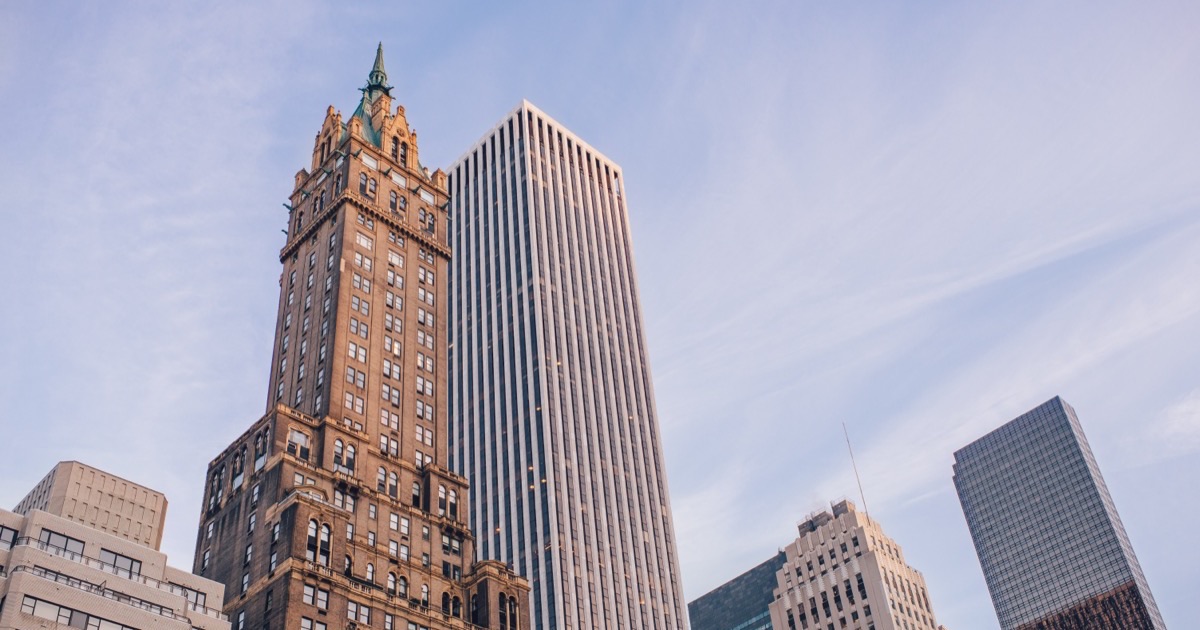
Apollo’s $1.02 billion investment in Starwood’s SREIT — closed 3 August 2026, five weeks after the fund suspended nearly all redemptions — bought 41.5 per cent of a 120-property affordable-housing joint venture, plus a guaranteed minimum annual yield that increases over time and is never given a number. The fund’s own two same-day filings disagree on when the buyback window closes, and the monthly exit its investors were promised had already been re-marked four times: 2 per cent of NAV, then 0.33, then 0.5, then none.
Read the study
Nº 29 · August 6, 2026 · 16 min read
The track record was the rate cycle wearing a firm.
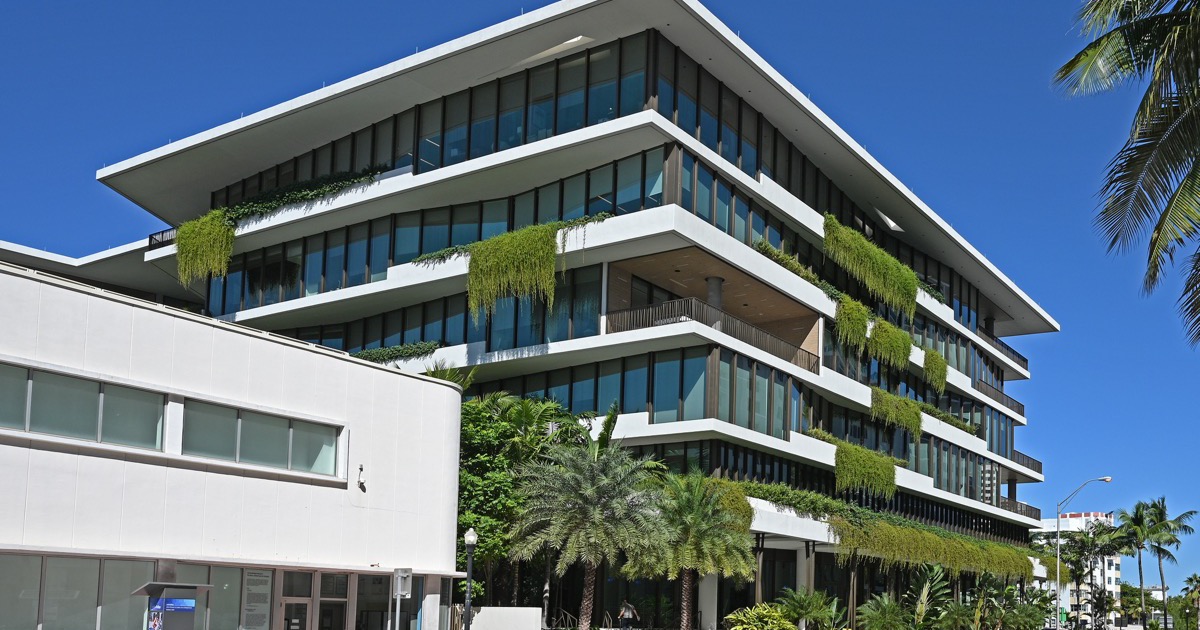
S2 Capital raised its $400 million first fund in eight months at the top of the floating-rate era — its founder repeating “fixed-rate is for suckers” on a podcast as the Fed began hiking — and on 1 July 2026 told investors to expect no return of capital. The collapse is exactly as private as the fund was: a letter one reporter has seen, SEC filings frozen at their last amendment, five foreclosures on the first-Tuesday calendar, and a REIT beside it marking its founder shares from $10 to under a dollar in seven quarters.
Read the study
Nº 26 · July 31, 2026 · 17 min read
The wire outlived the smelter and now writes the lease.
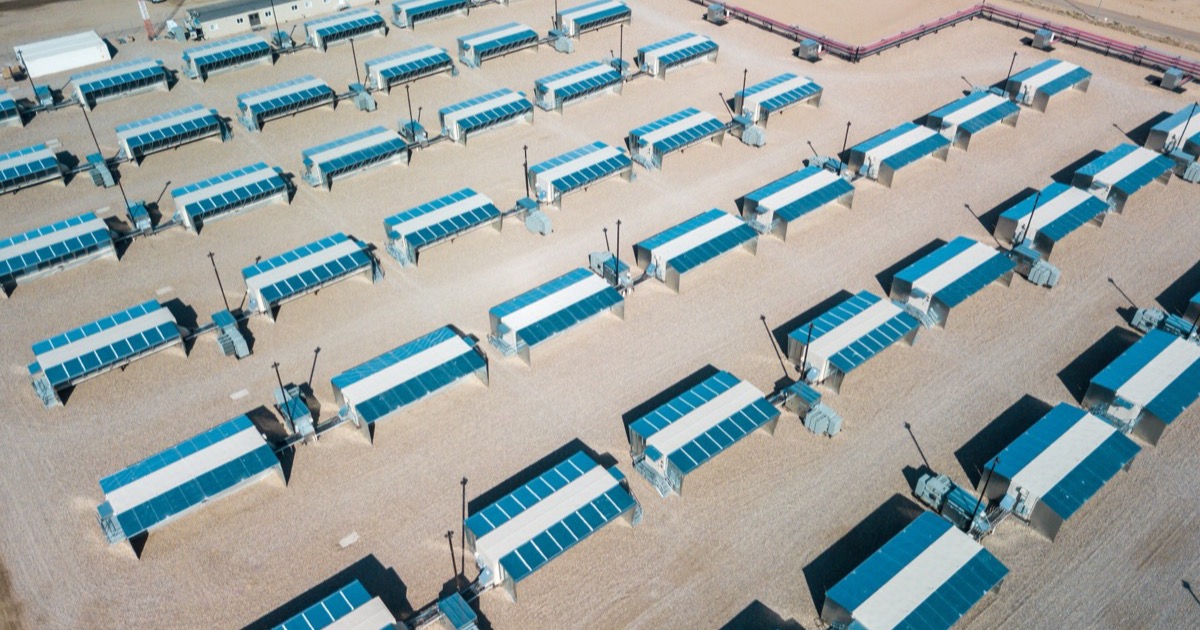
Two ex-Bitcoin miners signed the biggest lease headlines of 2026 on land nobody wanted: Hut 8’s Beacon Point — 524 Texas acres bought for $17.5 million to mine bitcoin — now carries $19.6 billion of 15-year leases from an unnamed trillion-dollar tenant, and TeraWulf’s dead Kentucky aluminum smelter, bought for $200 million with its 482 MW interconnect still humming, carries a direct 20-year, ~$19 billion Anthropic lease. The interconnect thesis is real and SEC-documented. The superlatives are unit errors: annualized honestly, the "five times Digital Realty" lease is a third of Digital Realty’s backlog, and America’s "biggest landlords" earn about a fifth of Prologis. Only the dirt has actually traded.
Read the study
Nº 25 · July 24, 2026 · 15 min read
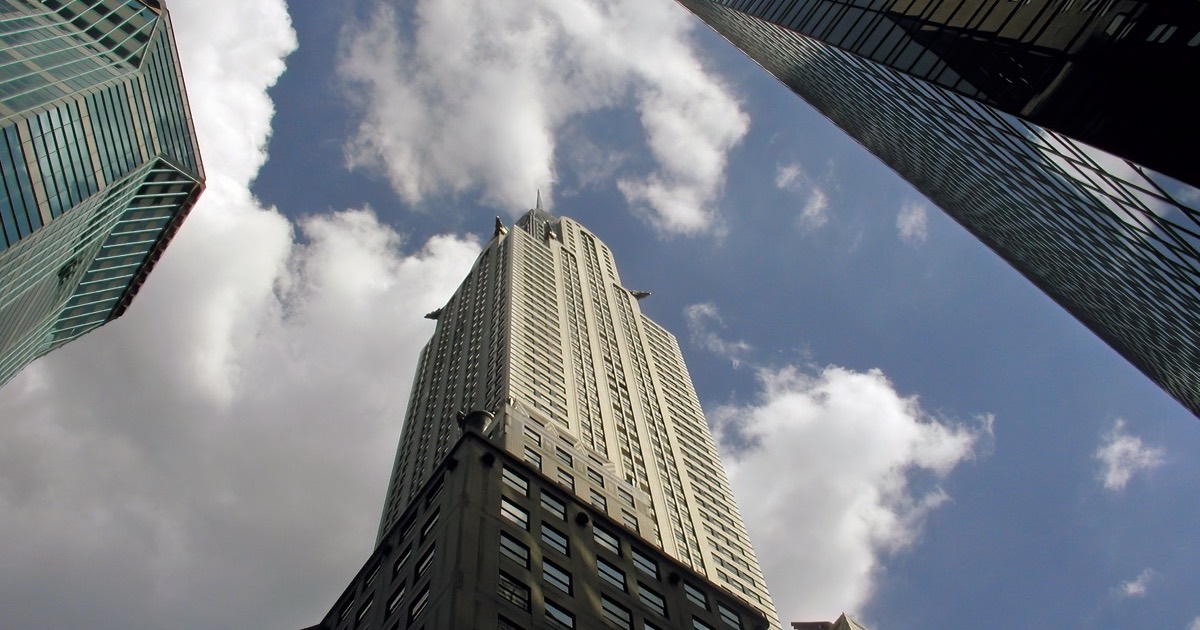
The Chrysler Building’s ground rent was collateral before it was rent
In October 2006 Cooper Union borrowed $175 million against the land under the Chrysler Building, and in the same month replaced the lease’s market rent reset with a fixed schedule climbing to $55 million a year. The college’s audited statements carry that land at $600,000 and the lease on it at $735.6 million. Two owners of the tower have been emptied paying the difference.
Read the study
Nº 24 · July 22, 2026 · 17 min read
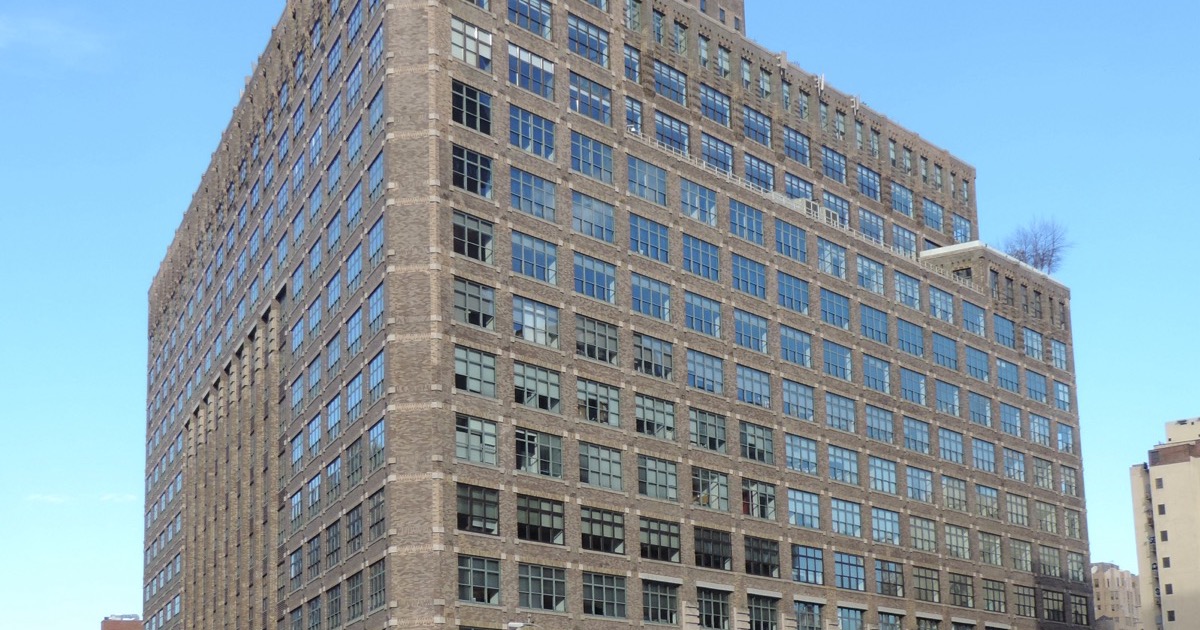
Brookfield came back eleven years later — same price, two more buildings.
In 2015, Norway’s sovereign fund paid $1.56 billion for 44% of Trinity Church’s Hudson Square campus — 11 printing-district buildings on land the church has held since Queen Anne’s 1705 grant — valuing it at $3.55 billion. In July 2026, at the crest of the AI leasing boom, Brookfield entered exclusive talks for 10% at a reported $3.5 billion: the same nominal price for 13 buildings and a quarter more floor area, in a deal that — against the reel’s telling — has not closed, has no disclosed price, and appears in no principal’s own record. The tenant boom is real; almost none of its marquee names are tenants of the campus being priced.
Read the study
Nº 23 · June 9, 2026 · 13 min read
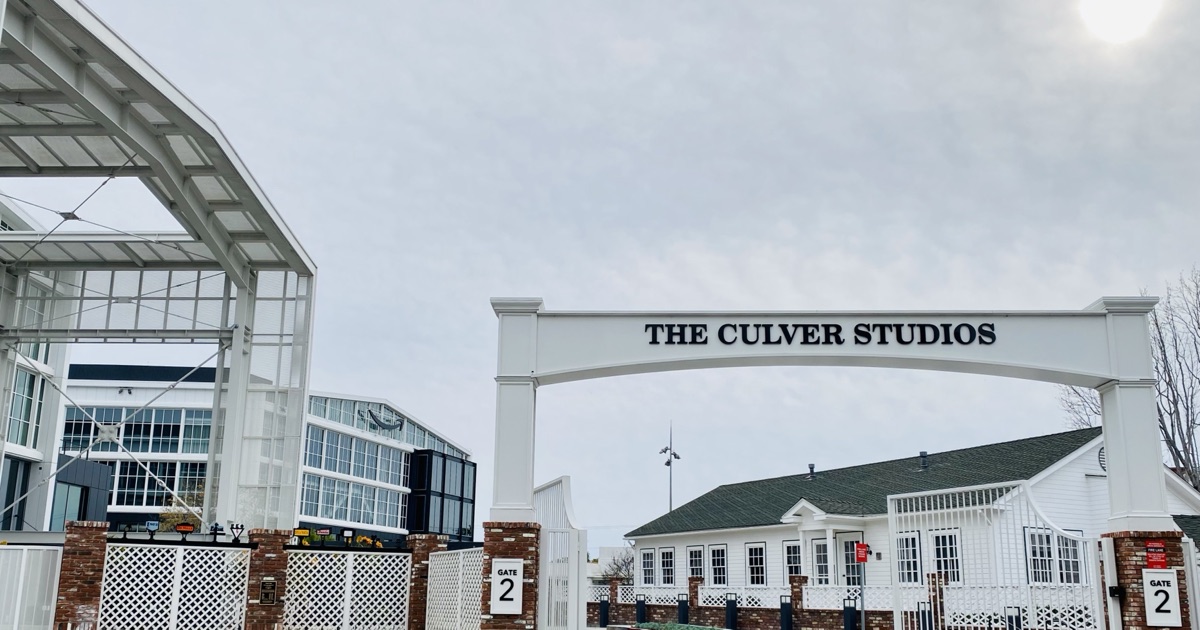
The Culver Steps cost nearly $150 million to build — and it is asking about $150 million
Hackman Capital and Affinius turned a public parking lot in downtown Culver City into an Amazon-leased block that never had a vacancy. The record shows the plaza was the city's condition rather than the developer's gift, and that seven years of full occupancy produced an asking price roughly equal to the build cost — with a source on every figure.
Read the study
Nº 22 · May 20, 2026 · 14 min read
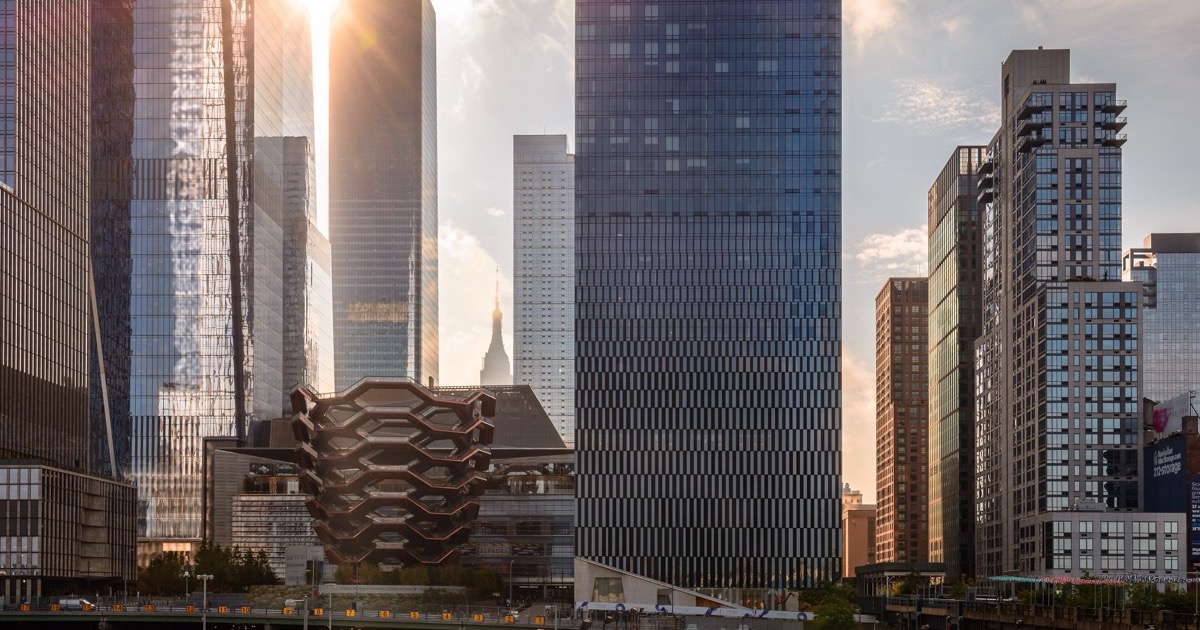
Nobody has ever added up what Hudson Yards cost New York
The city borrowed $3 billion against a neighbourhood that did not exist and promised the district would pay for itself. The only systematic tally of what it cost beyond that was made by two academics — and two of the figures the city publishes about itself do not match its own audited books.
Read the study
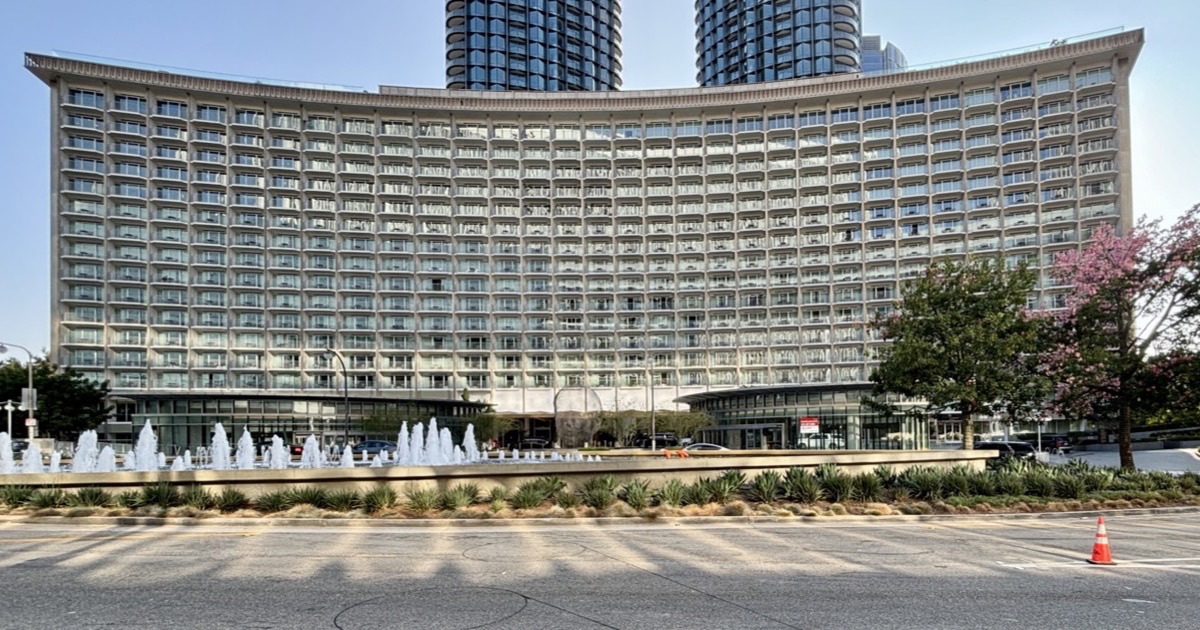
Nº 21 · April 21, 2026 · 16 min read
The demolition plan and the landmark application came from the same developer
In December 2008 Michael Rosenfeld announced he would raze the Century Plaza Hotel; in June 2013 his own company filed the papers that made it a landmark — because, in his words, preservation could only be achieved if sufficient additional development was permitted. The entitlement held for three ownerships. The $2.5 billion capital stack under it did not: he defaulted on $1.8 billion in 2021, and in April 2023 his lender bought the project with a $1 billion credit bid nobody else came to contest.
Read the study
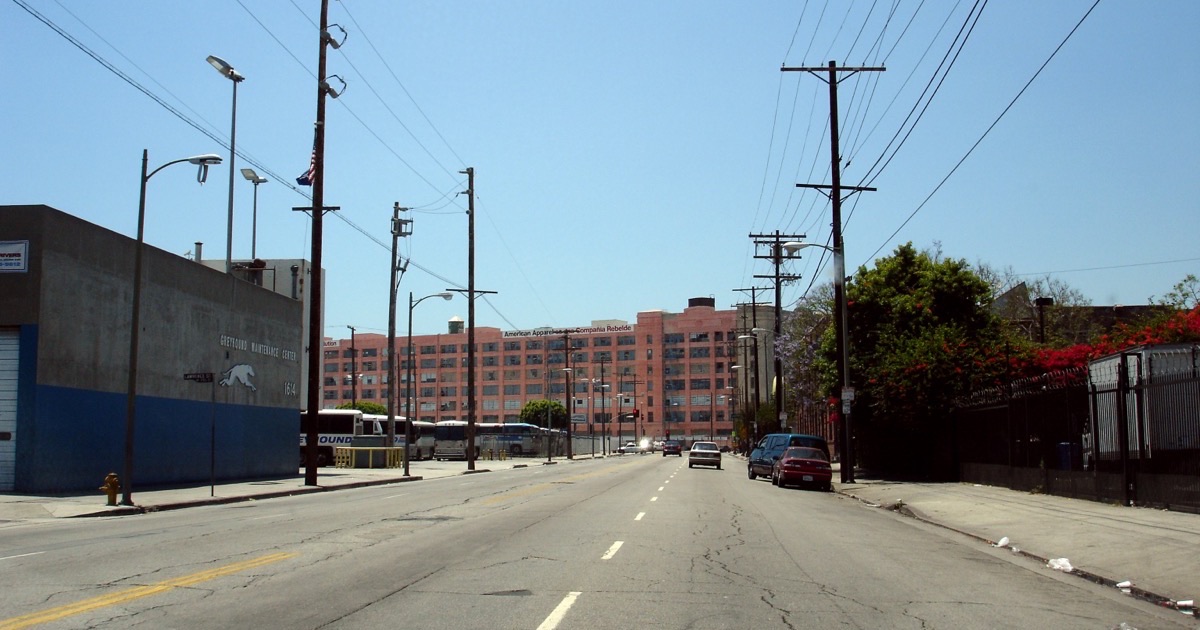
Nº 20 · April 12, 2026 · 15 min read
The bones were real, but the numbers belong to the architect
ROW DTLA is close to adaptive reuse’s best case — nine Southern Pacific warehouse buildings kept, a century-old produce market still trading inside a luxury repositioning, and a thousand apartments now approved on its parking lots. But every figure the retellings quote, from the doubled equity to the square feet of culture, traces to one undated page on the design architect’s own website — and the campus’s real financial record has published nothing at all since June 2017, when a $475 million floating-rate loan began its run toward a maturity nobody ever reported on.
Read the study
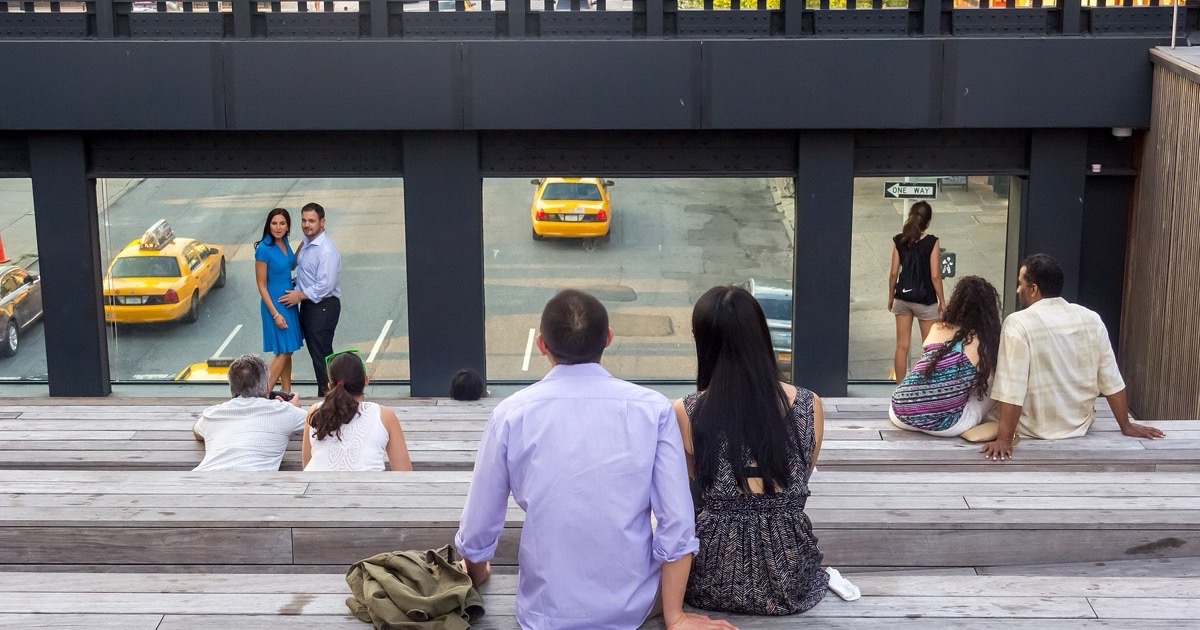
Nº 19 · March 31, 2026 · 14 min read
Every dollar the High Line cost is measured. Every dollar it returned is a projection.
New York created a tradeable asset out of a zoning restriction — no eminent domain, no cheque written — and about a million square feet of development capacity changed hands at up to $800 a foot. The $153 million it spent is itemised government accounting. The $1.4 billion it is said to have returned has never been measured by anyone without a stake in the answer.
Read the study
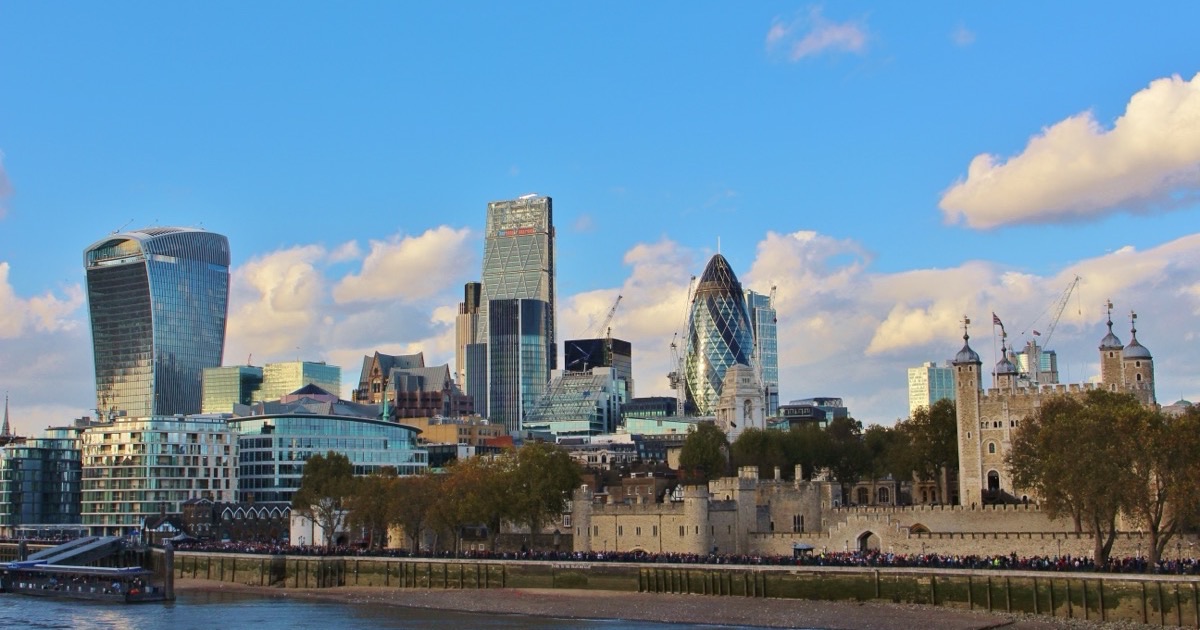
Nº 18 · March 22, 2026 · 15 min read
Savills bought the bank in a day. The bankers unlock in 2032.
Savills’ $1,112.5 million acquisition of Eastdil Secured — announced 12 March 2026, closed 3 August — is the rare deal whose every number sits in a regulatory filing: the 9.9x multiple, the five-year revenue swing from $862 million to $367 million and back, the 85 senior employees who owned 39 per cent. The filing also prices what the retellings skip: a retention architecture nearly a third the size of the price, and consideration shares the partners cannot touch until 2030, 2031 and 2032.
Read the study
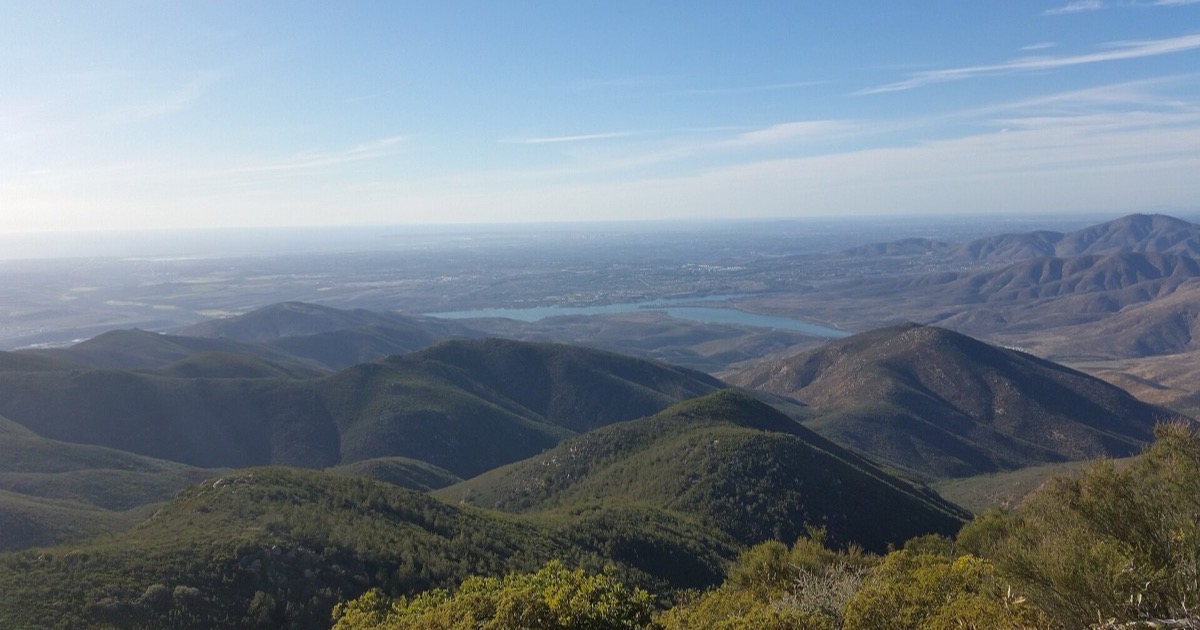
Nº 17 · February 3, 2026 · 13 min read
A failed savings and loan bought 4,800 acres for $19.5M — then spent 20 years on the paperwork
HomeFed Corporation was the reorganised corpse of the eighth-largest thrift in America, carrying $266 million of tax losses. It bought raw San Diego scrub at $4,000 an acre in 1998 and paid $93,750 an acre for entitled land next door in 2015 — and the number that would say whether the strategy worked has never been published.
Read the study
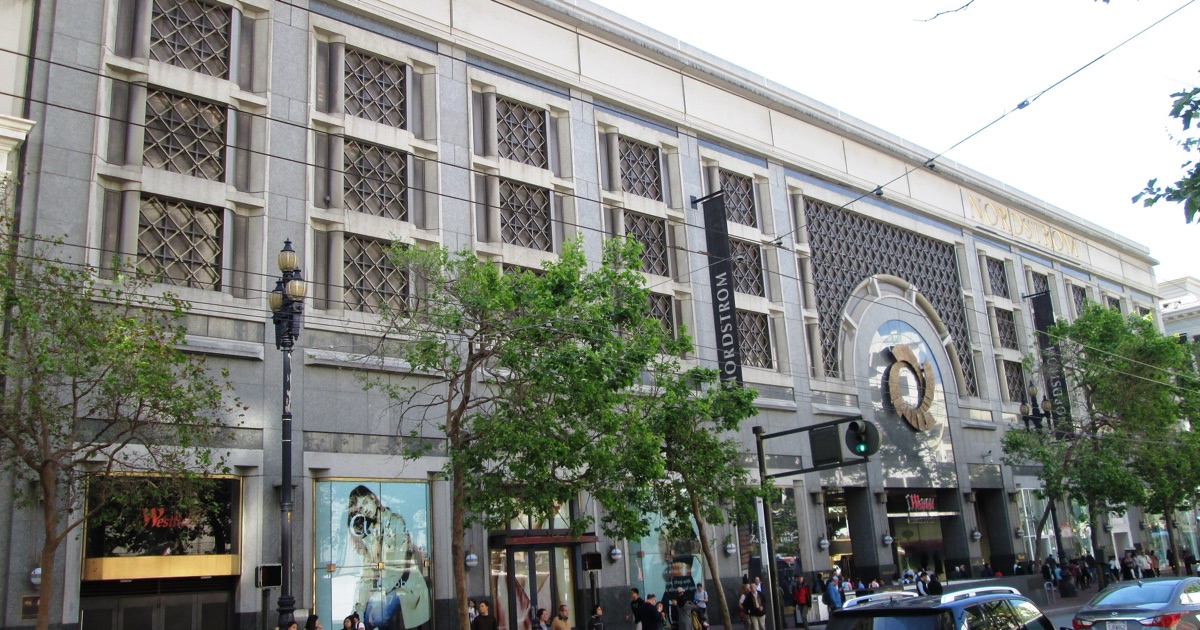
Nº 16 · February 1, 2026 · 13 min read
A $1.2B mall went to auction. The only bidder was the bank it owed
Westfield and Brookfield stopped paying a $558M mortgage on San Francisco Centre in June 2023. The public record — four appraisals, a 28-note CMBS trust, and a resale that collapsed in July 2026 — shows how a billion-dollar valuation unwinds, with a source on every number.
Read the study
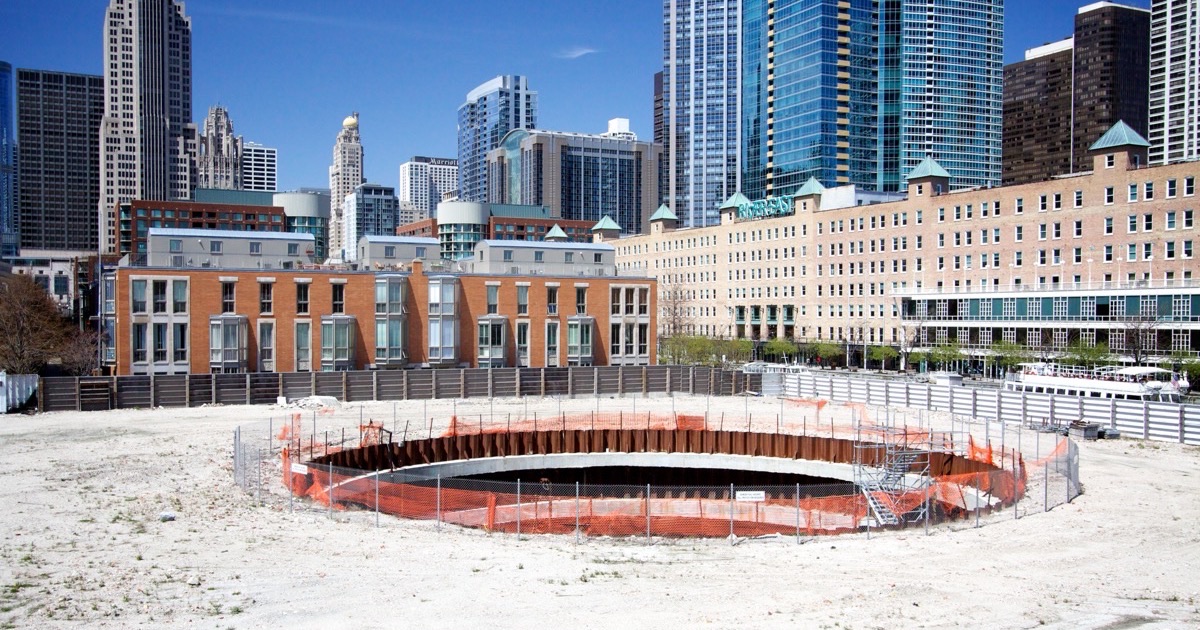
Nº 15 · January 29, 2026 · 17 min read
The only part of the Chicago Spire ever built now holds up its successor
The Spire got a $64 million site, a 2,000-foot design, $496 million of condo sales and a foundation — then its loan was raised four days before Lehman failed, judged at $82.9 million, and sold by the Irish state for about $35 million to Related, which used the paper to take the land. The tower rising there now stands on twenty of the Spire’s caissons, was financed by promising affordability, and cannot legally open until the park two developers promised is finally built.
Read the study
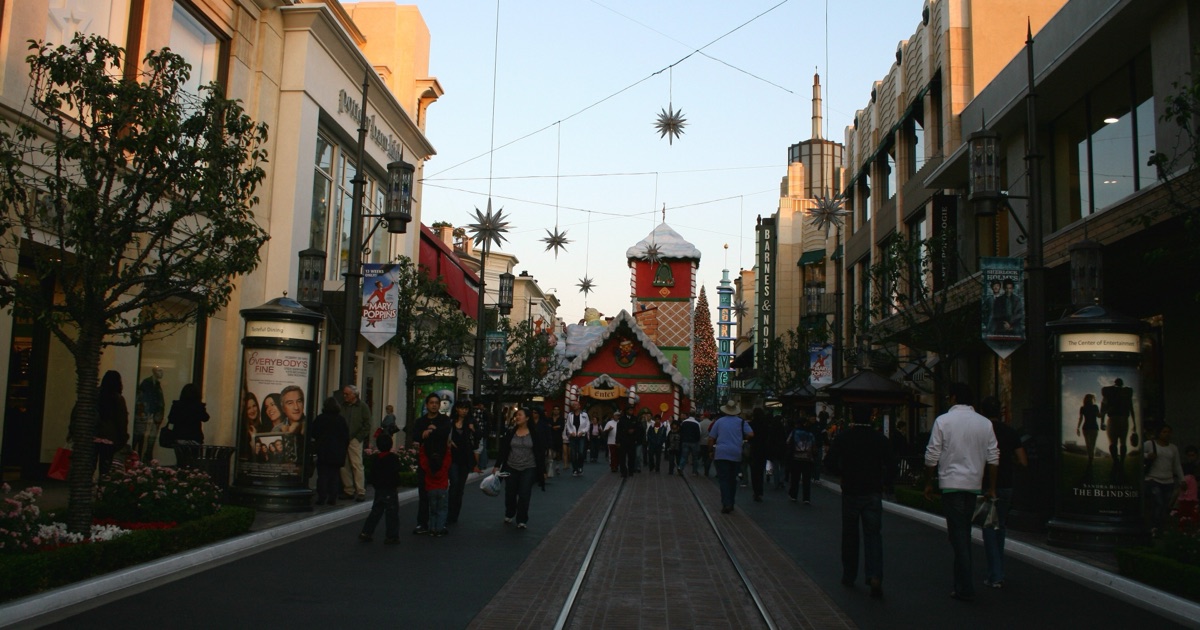
Nº 14 · January 27, 2026 · 15 min read
Rick Caruso spent $160 million on The Grove — and $5 million of it on land he never bought
The famous contrarian bet was a half-sized version of a project the neighbourhood had already killed twice, built on a ground lease from the Farmers Market's owners. Here is the full cost stack from ULI's own case study, the five different sales-per-square-foot figures that have been published, and the parts of the record that are still missing.
Read the study
Nº 13 · January 23, 2026 · 16 min read
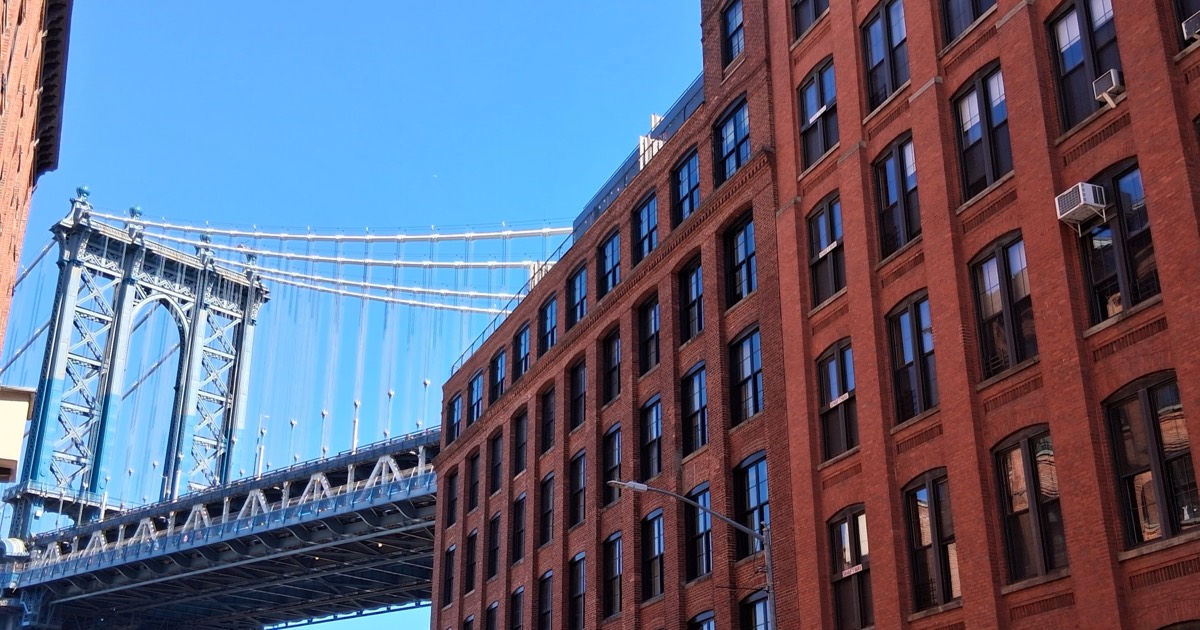
Two Trees bought most of DUMBO for $12 million — and borrowed every dollar
One buyer, one seller, two million square feet at $6 a foot — then seventeen years of being blocked by the city. The public record shows a state lease that rescued the position, a 17% construction loan, a ten-year tax abatement and a decade of free rent to artists, with a source on every number.
Read the study
Nº 12 · January 20, 2026 · 14 min read
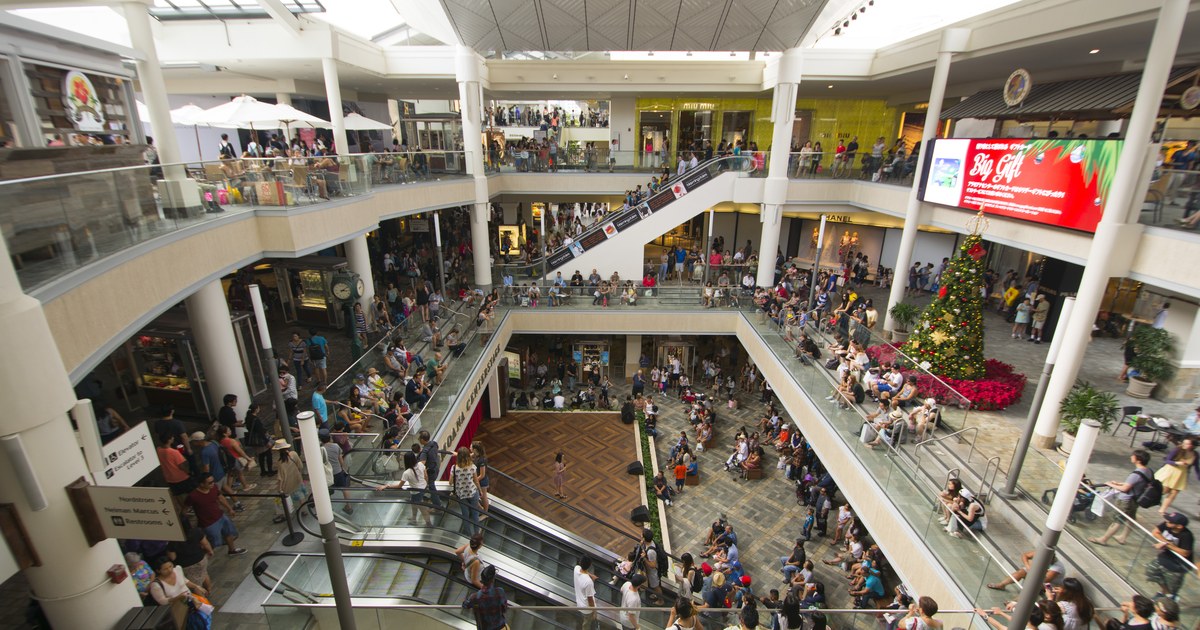
The malls were 92.5% full when General Growth filed the biggest real estate bankruptcy in US history
Nothing was wrong with the buildings. $27.3 billion of debt came due into a market that had stopped lending, and the shares hit 24 cents. The case also broke the assumption commercial mortgage securitisation is priced on — bankruptcy remote turned out not to mean bankruptcy proof.
Read the study
Nº 11 · January 7, 2026 · 14 min read
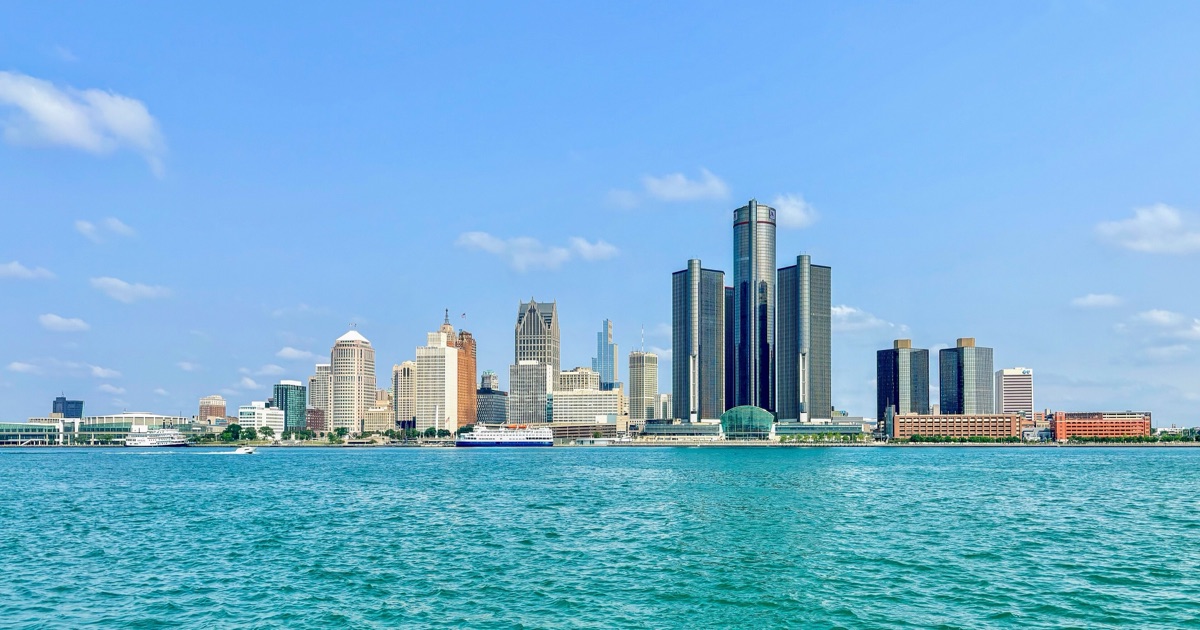
One company bought downtown Detroit — and the public is funding the last act
Bedrock says it has committed $7.5 billion across 140+ properties since 2011. The public record shows what that bought, the $618 million of future taxes that helped pay for it, and the two numbers that moved in opposite directions — with a source on every figure.
Read the study
Nº 10 · January 5, 2026 · 13 min read
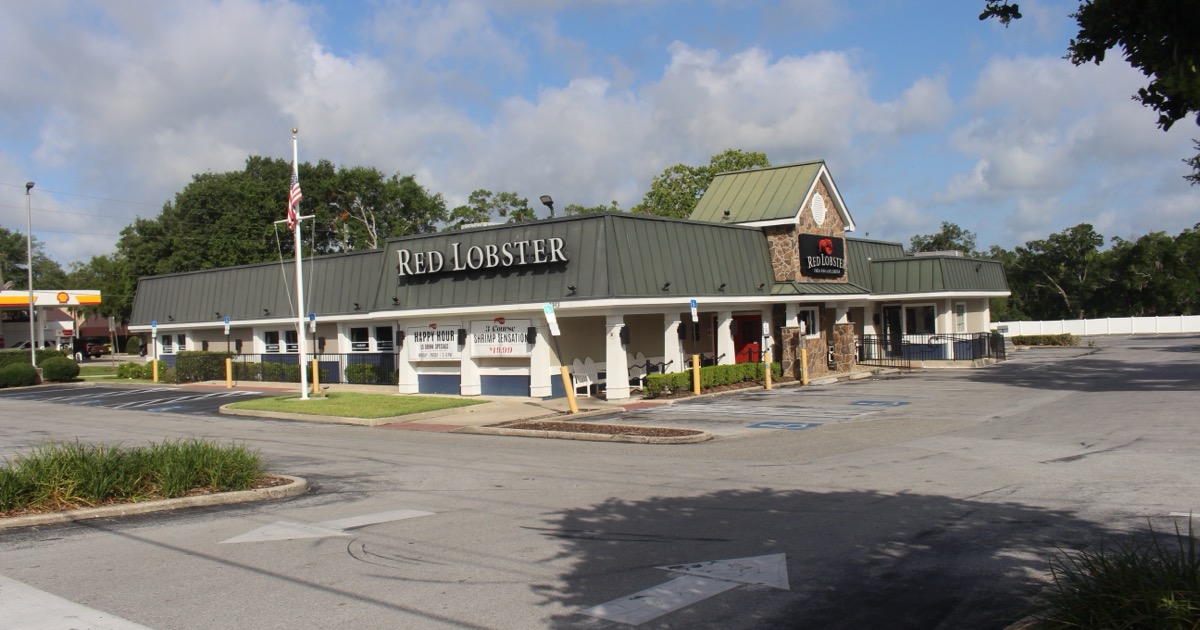
Red Lobster was bought for $2.1B — and $1.5B of it came from selling its own restaurants
Golden Gate Capital paid for Red Lobster largely with Red Lobster’s buildings, on cross-defaulted leases that compounded for twenty-five years. A decade later the company filed for bankruptcy owing $190.5 million a year in rent — and its own 124-page filing never once uses the words “sale-leaseback”.
Read the study
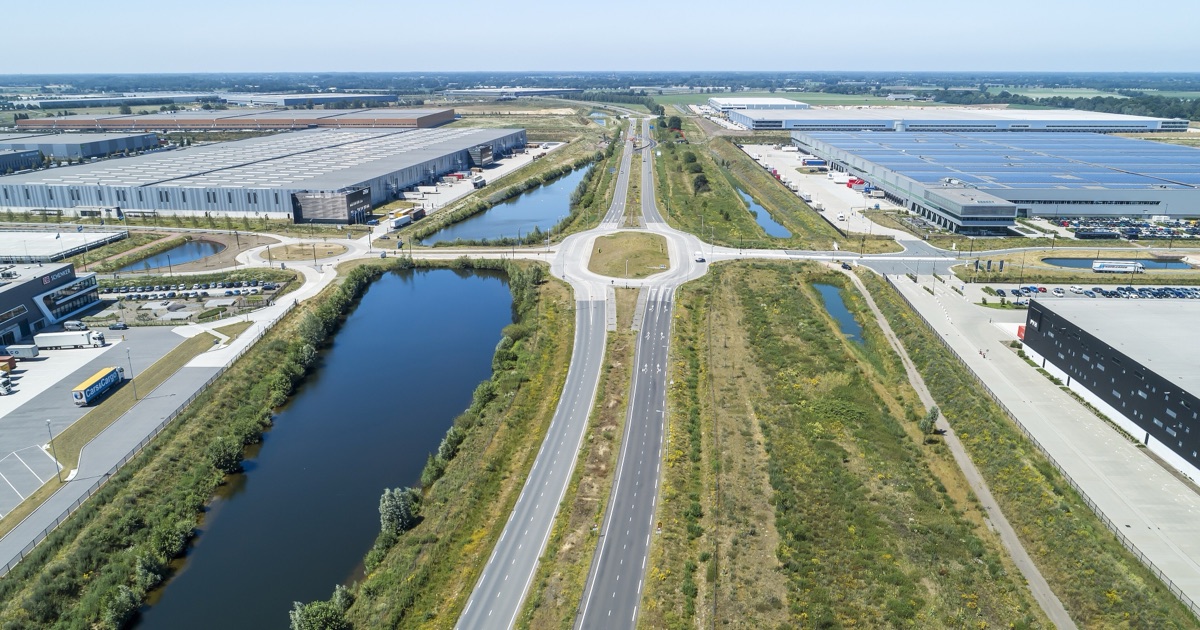
Nº 09 · December 26, 2025 · 13 min read
Blackstone built Logicor out of 50-odd warehouse deals — then sold it for €12.25 billion
Europe’s largest logistics company did not exist in 2011. Six years later it was 13.6 million square metres in 17 countries and the biggest private real-estate sale the continent had recorded. A Hong Kong filing five months later priced 10% of it — and showed what sat under the headline.
Read the study
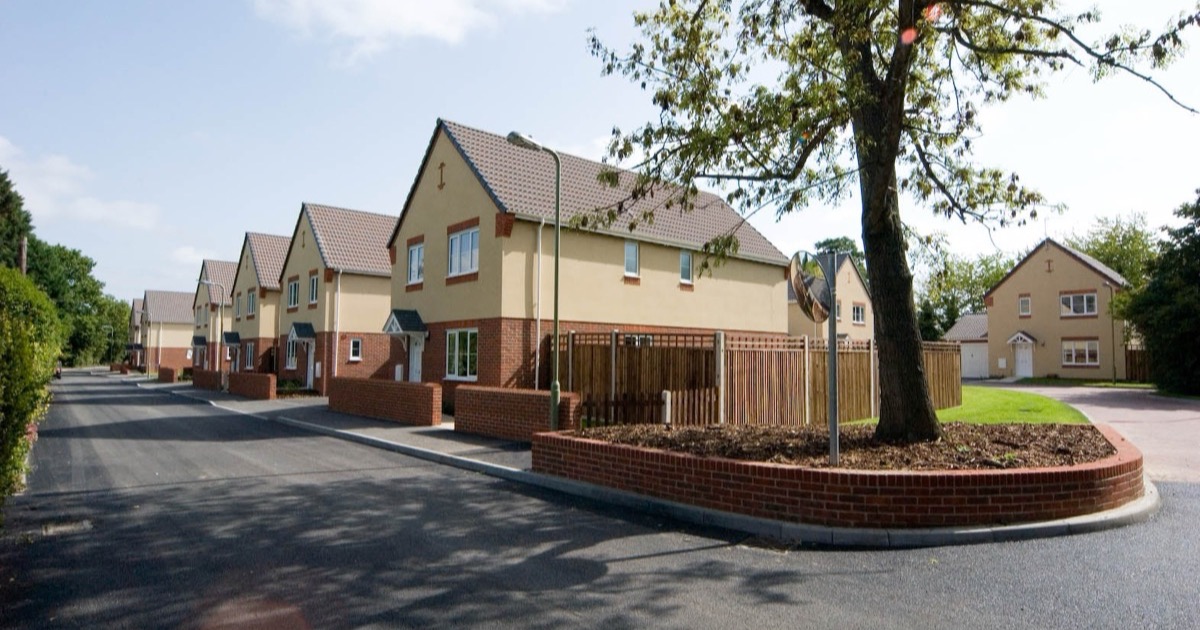
Nº 08 · December 23, 2025 · 17 min read
Paying £6 billion to undo it was the cheapest option left.
In 1996 the Ministry of Defence sold 55,060 military family homes to a Nomura vehicle for £1.662 billion and rented them back. In January 2025 it paid £5,994,500,000 to reacquire the 36,347 that remained — after a tenants’-rights statute from 1967 won the leverage a 999-year lease had signed away. The National Audit Office’s third audit closes the ledger at £14.5 billion worse off than never selling, and finds the £6 billion exit was, by then, the value-for-money option.
Read the study
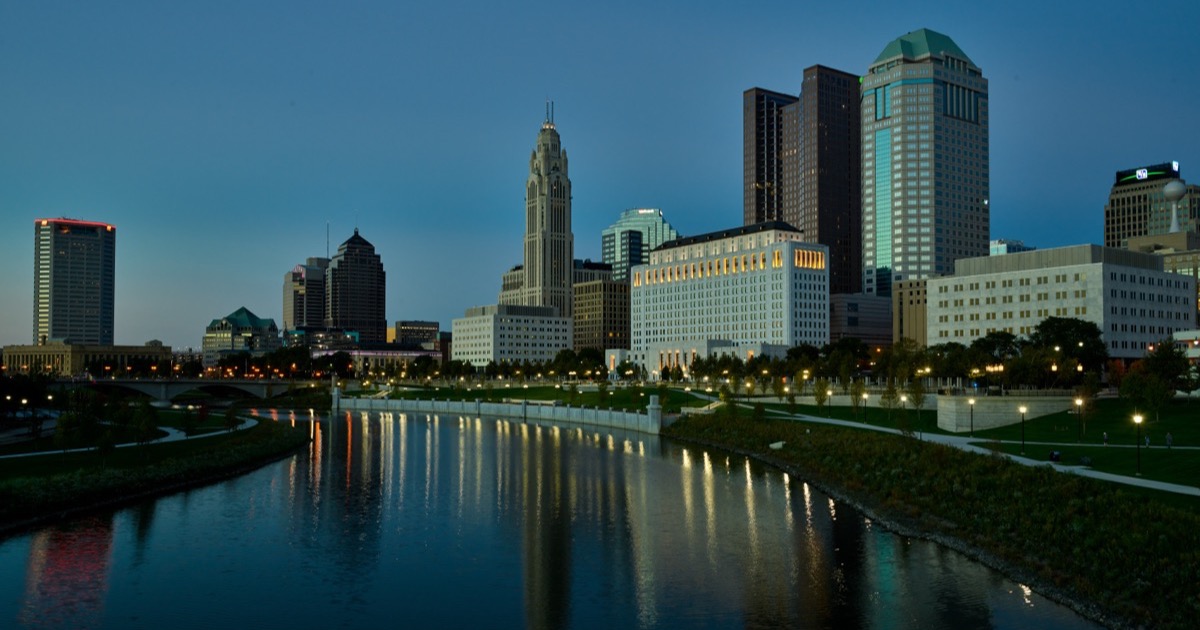
Nº 07 · December 22, 2025 · 16 min read
Nobody awarded it. The minutes explain why nobody had to.
Aries Lofts — 315 affordable units rising on a remediated salvage yard in Whitehall, Ohio — is the 4% LIHTC machine run once, on the record: $60 million of county-conduit bonds, $46.9 million of federal credits sold at 88 cents on the dollar, a Freddie Mac loan priced two years before it funds, and a $152.3 million financing headline on a $108 million building. The state housing agency never approved it, because the bond issuer’s own minutes say the deal was structured so it wouldn’t have to.
Read the study
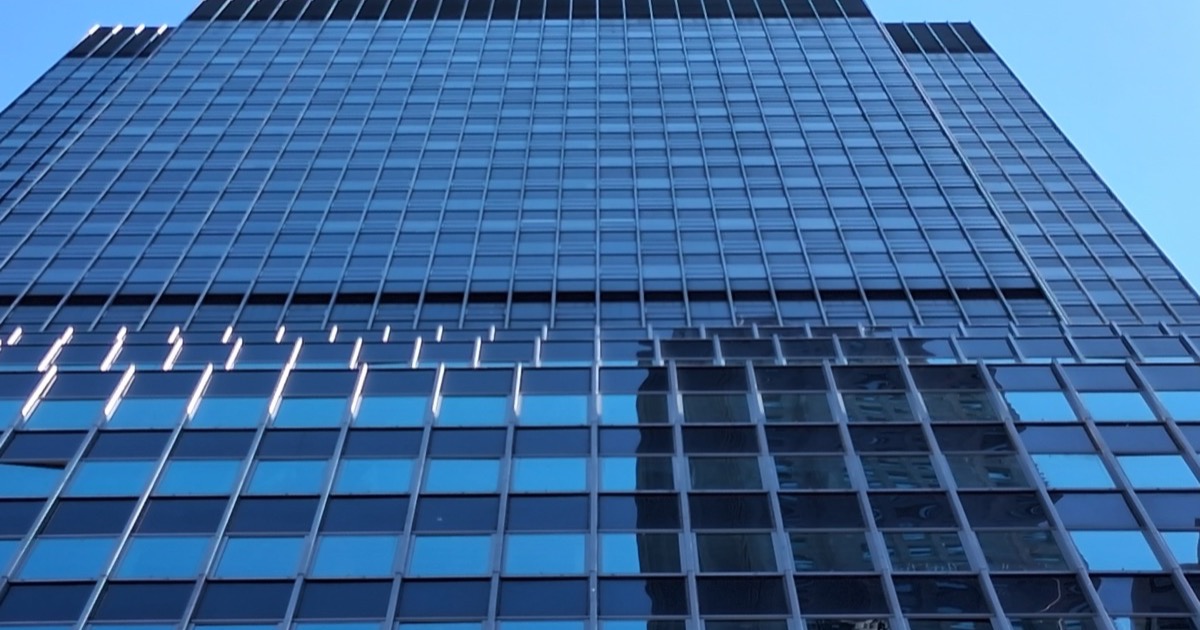
Nº 06 · December 21, 2025 · 16 min read
The law arrived two years late and claimed the building anyway.
25 Water Street — JPMorgan’s old 1969 back office — sold for about $108 million in the crisis, $270 million in 2012, and $250.8 million by deed in lieu in December 2022, when a conversion group carved two light wells through its 40,000-square-foot floors, added ten stories, and made it the largest office-to-residential conversion in US history: 1,320 apartments, refinanced at $835 million. The tax program credited with enabling it was enacted sixteen months after the deal closed, with an eligibility window opening nine days after its loan — and the city’s own Comptroller priced that retroactive gift at $1.8 million per affordable unit.
Read the study
Nº 05 · December 14, 2025 · 19 min read
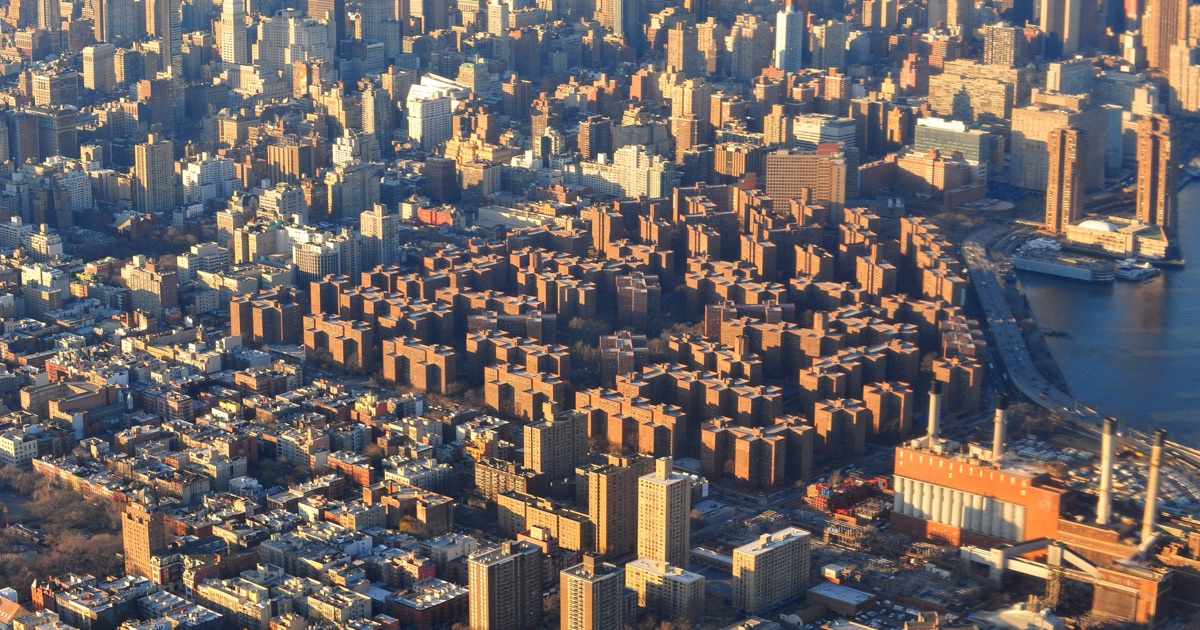
Stuyvesant Town sold twice at nearly the same price — the capital stack decided which deal survived
Tishman Speyer and BlackRock paid $5.4 billion in 2006 with $56 million of their own money and defaulted in three years. Blackstone and Ivanhoé Cambridge paid $5.3 billion in 2015 with $2.6 billion of equity and still own it. Same eighty acres, same headline price, two capital structures — and a public record that will not close the first one.
Read the study
Nº 04 · November 24, 2025 · 14 min read
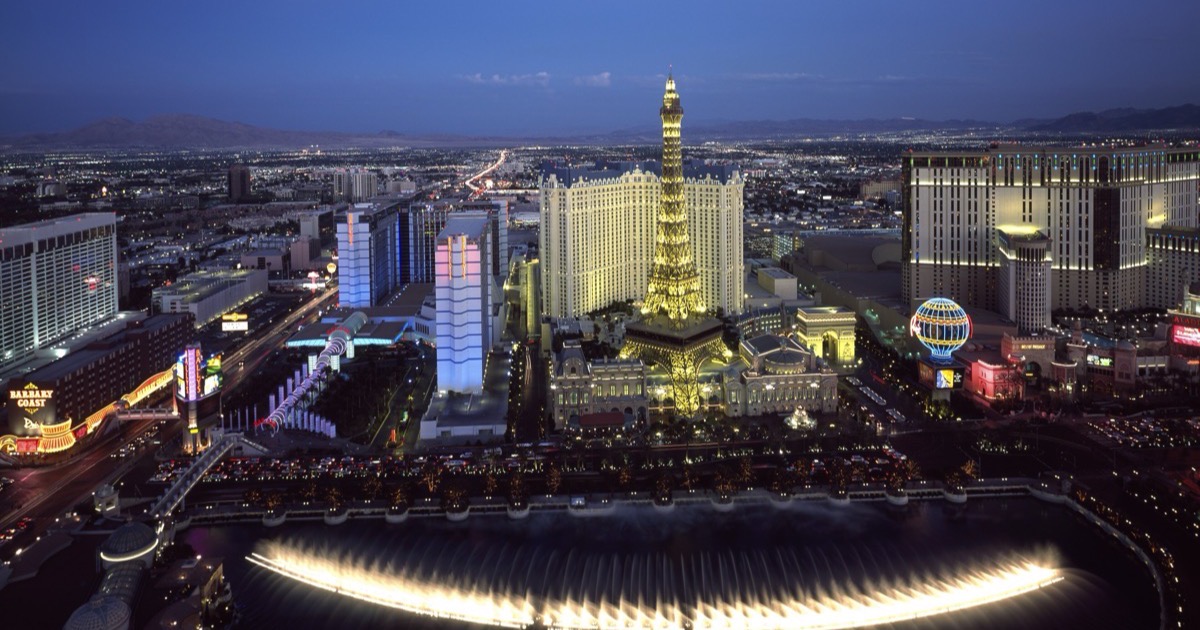
MGM raised about $20B selling its casinos — and signed the clause that broke Red Lobster
MGM’s master lease calls itself “one indivisible lease”, and a default on any property is a default on all of them — the same trap that made Red Lobster’s rent inescapable. MGM paid every dollar through the 2020 closures anyway. What differed was not the lease.
Read the study
Nº 03 · November 19, 2025 · 14 min read
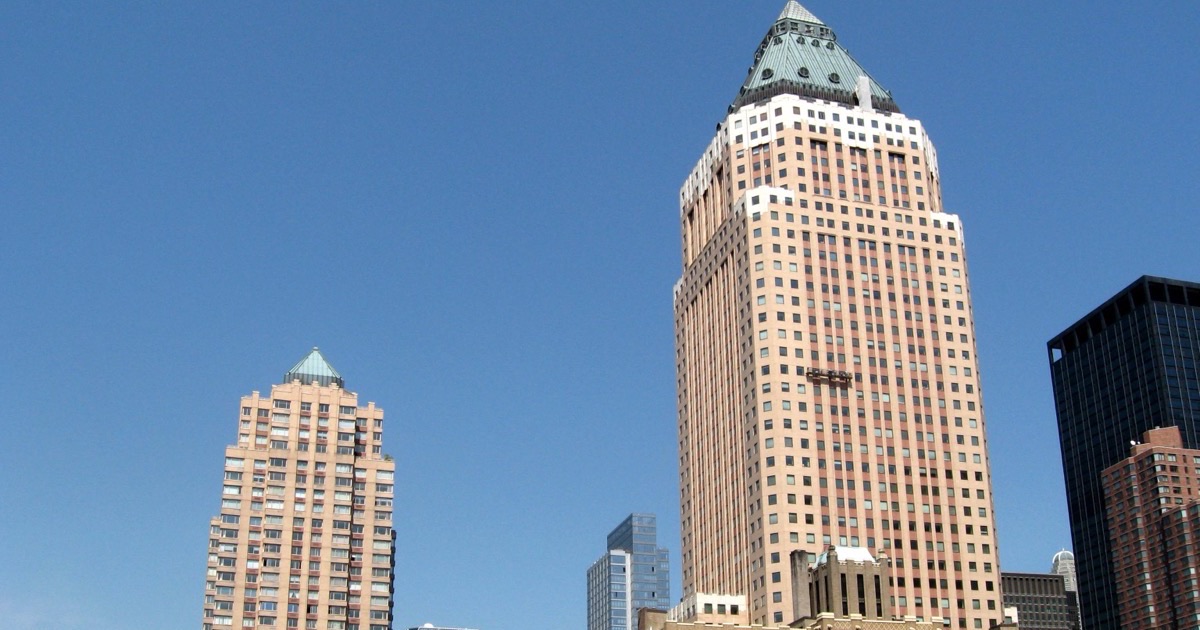
Blackstone paid $39B for 543 office buildings — and sold 70% of them in five months
The largest leveraged buyout in real estate history closed at the top of the market in February 2007. The record shows the buyers were lined up before it closed, a $720 million fee bought the certainty that made that possible, and the man who took the Manhattan towers lost every one of them.
Read the study
Nº 02 · November 18, 2025 · 15 min read
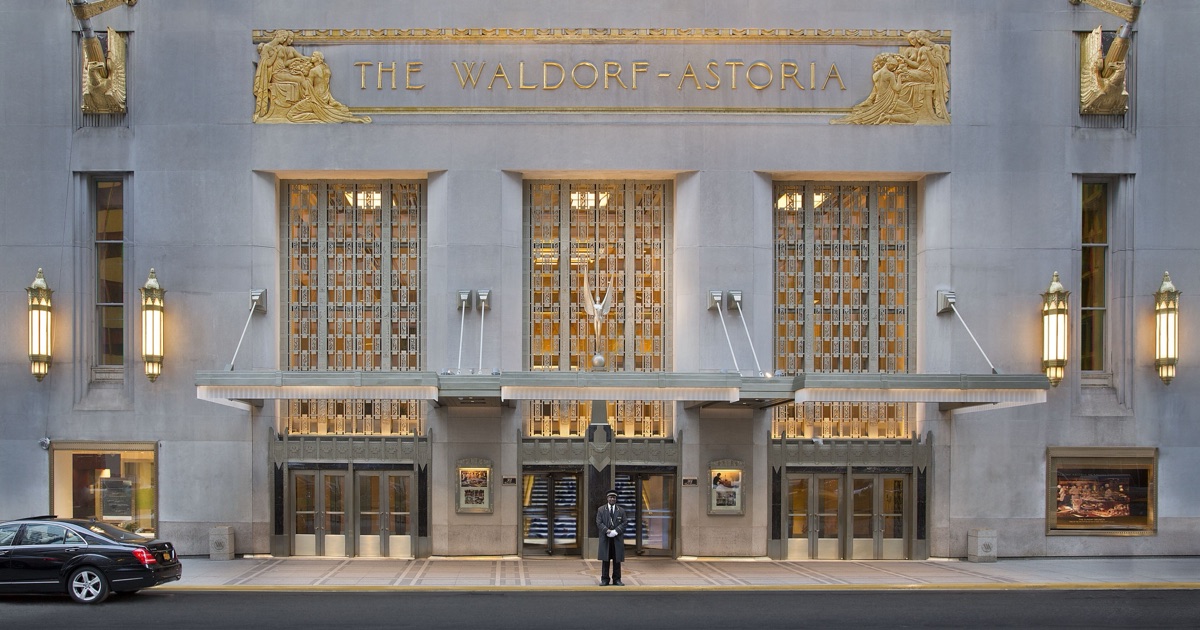
Blackstone bought Hilton at the peak — then bought its own debt back at 54 cents
The $26 billion buyout closed weeks before the credit market shut, and seven months later the Financial Times reckoned the equity was worth almost nothing. The public record shows the April 2010 restructuring that saved it, the seven-part sell-down that followed, and exactly how much of the famous $14 billion an outside tally can confirm.
Read the study
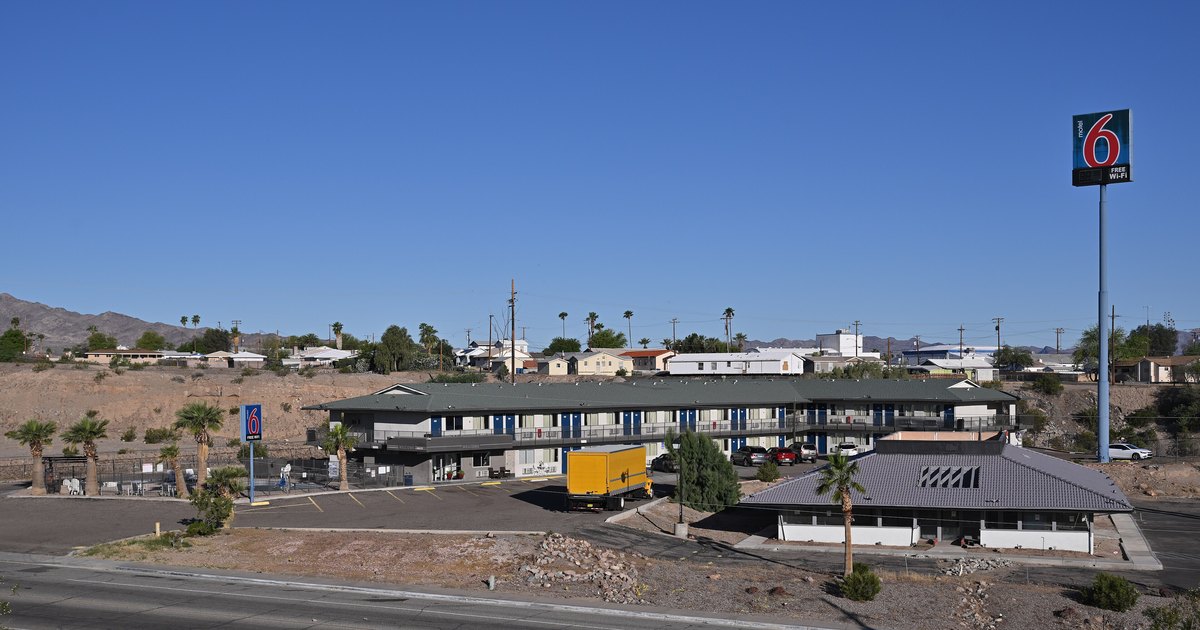
Nº 01 · November 16, 2025 · 12 min read
Blackstone bought Motel 6 for $1.9B, sold it for $525M — and made money
The exit price looked like a loss. The public record — two cash-out refinancings, 354+ property sales and an asset-light conversion — shows where the return was actually built, with a source on every number.
Read the study