
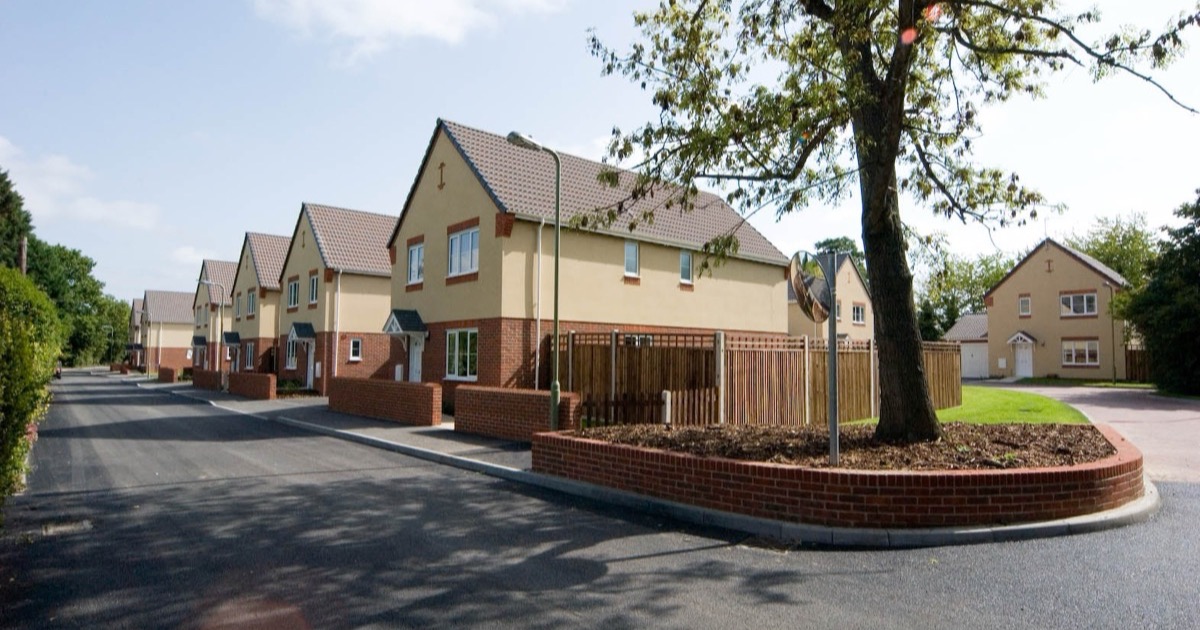
Case study Nº 08
Paying £6 billion to undo it was the cheapest option left.
In 1996 the Ministry of Defence sold 55,060 military family homes to a Nomura vehicle for £1.662 billion and rented them back. In January 2025 it paid £5,994,500,000 to reacquire the 36,347 that remained — after a tenants’-rights statute from 1967 won the leverage a 999-year lease had signed away. The National Audit Office’s third audit closes the ledger at £14.5 billion worse off than never selling, and finds the £6 billion exit was, by then, the value-for-money option.
Ben Fan, with Darryl WengDecember 23, 202517 min readWatch the reel
The estate sold, Nov 1996
£1.7B
The estate bought back, Jan 2025
£6.0B
In November 1996 the Ministry of Defence sold 999-year leases on 55,060 military family homes to a Nomura vehicle called Annington for £1.662 billion — and rented them back.4,5 Twenty-eight years later it paid £5,994,500,000 to reacquire the 36,347 that remained.6,11 The reel calls that “sold low, bought high,” and the record agrees — then keeps going: the National Audit Office’s third audit of this deal, published seven weeks before this study, sums the whole ledger at £14.5 billion worse off than never selling at all — and finds that paying £6 billion to undo it was the cheapest option the government had left.1 Jump to the ledger ↓
The reel this brief grew from holds up almost entirely: the ~55,000 homes, the £1.66 billion, the 36,347 bought back for £5,995 million, the £230-million-a-year rent, the enfranchisement gambit, the May 2023 High Court win, the £10.1 billion unencumbered framing — all in the record.1,5,6 Three refinements. The transcription’s currency wobble runs one layer deeper than it looks: “$600,000 a day” is the government’s own “more than £600,000 a day,” symbol swapped — in dollars it would be nearly $800,000.7 The homes count has a three-way spread the record never reconciles — 55,060 in the judgment, “some 57,000” in the 1998 PAC report, 57,400 by Annington’s own count — because the sale included surplus units beyond the married quarters.4,5,21 And the tidy “courtroom momentum, then settle” arc skips a live wire: Annington’s appeal was listed for July 2024 and adjourned for talks — the government settled with the case still breathing.32
What the record adds is the thing no retelling carries: an audited, itemised, twenty-eight-year cash ledger, closed by the state’s own auditor three times, each closing worse than the last. That ledger is this study’s instrument, and the National Audit Office built it.1,2
| The deal at a glance | Number |
|---|---|
| The 1996 sale | £1.662 billion for 999-year leases on 55,060 homes — from 19 bidders, Warren Buffett among the losers4,5,21 |
| Against keeping it | £77–139 million below the MoD’s own valuation of retaining the estate4 |
| The leaseback | 200-year underleases at a 58% discount — the price of the MoD keeping all maintenance, all voids, and handback fees2,5 |
| The buyer’s stake | £289 million of Nomura risk capital; rents securitised at 7.54% to 20212,21 |
| The rent | £111M (1997) → £178M (2016) → £230M (2024) — “more than £600,000 a day”1,2,7 |
| The return | 13.4% a year to Annington’s owners against the 9.7% the MoD expected2 |
| The 2012 trade | Nomura to Terra Firma, £3.2 billion — “the largest European LBO since 2008”18,19 |
| The lever | Leasehold Reform Act 1967 enfranchisement, via a Crown SPV — upheld on every point, 15 May 20235 |
| The buyback | £5,994,500,000 for 36,347 homes — exchanged 17 Dec 2024, completed 9 Jan 20256,11 |
| Against its valuation | £4.1 billion below Annington’s £10.1 billion unencumbered figure; the MoD’s own books now carry the estate at just over £9 billion1,6 |
| The seller’s exit | A £1.9 billion dividend, bonds tendered at 62.7–93.0% of face, 1,570 homes kept13,15,17 |
| The auditor’s sum | £14.5 billion worse off than never selling, 2024 prices — £11.5 billion nominal1 |
| The cheapest exit | Repurchase at £5.9bn net present cost vs £10.1bn for doing nothing vs £7.2–7.7bn for enfranchising home by home1 |
Nineteen bidders for the family silver
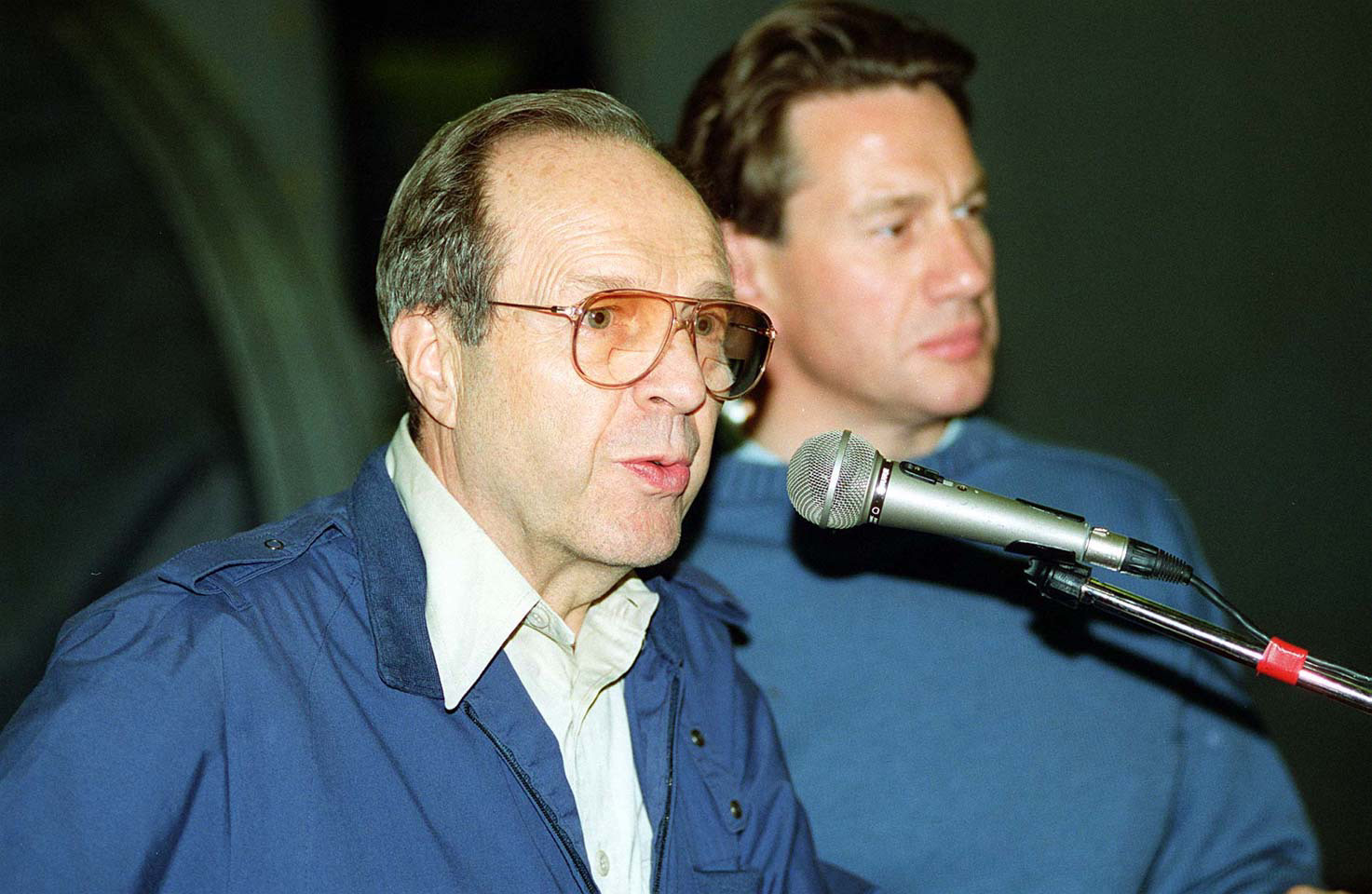
The 1996 sale was a budget repair dressed as an estate strategy. The housing stock was deteriorating, a plan for a non-profit housing trust had died when statisticians ruled it would not move risk off the state’s books, and the Treasury wanted receipts.29 Defence Secretary Michael Portillo’s department put the married quarters to tender; nineteen bids came back, Warren Buffett and Lehman Brothers among the losers; and Nomura’s principal finance group — run by a 36-year-old securitisation pioneer named Guy Hands — won with £1.662 billion.5,21 Labour’s shadow defence secretary called the estate “the goldmine of the decade” in the debate; the MoD’s own valuation said keeping it was worth £77 to £139 million more than the winning bid.4,29
Hands’ structure was the era’s signature: £289 million of risk capital, the rest debt, with Annington’s rental stream securitised at 7.54 per cent through 2021 — a cost he would later concede was, “in hindsight… not the best decision.”21 The leaseback’s terms are the study’s engine room. The MoD took a 58 per cent discount to market rents for 25 years — but the discount was not generosity. The NAO later decomposed it: 28 points for the maintenance obligations the MoD kept, 20 for the bulk letting and the strength of the MoD’s own covenant, 10 for guaranteed minimum payments.2 The state remained the repairer, the insurer of voids, and the payer of “dilapidations” on every home it handed back — £11,369 per unit, on average, for the privilege of returning property to its landlord.2 The state was the tenant of its own front doors.

The trap, operating
Every clause worked as written, and the whole worked as a trap. Rents ratcheted — £111 million in 1997, £178 million by 2016, £230 million by 2024 — while house prices did what the MoD’s 1-to-3-per-cent models said they would not: rose 6.8 per cent a year, compounding value the state had sold for a fixed sum.1,2 The estate shrank as the forces shrank — some 19,000 homes handed back, refurbished by Annington and sold on, their sale proceeds Annington’s to keep — while the homes the MoD retained decayed on a maintain-to-minimum-legal-standard policy the NAO would later name as the deal’s quiet second cost.1,26 Of the £1.66 billion the 1996 sale raised, the Defence Committee found, just £100 million — 6.25 per cent — was ever reinvested in the family housing itself.26
The human ledger ran beside the financial one. Vacancy never fell: 13,600 empty quarters in 1998, over 10,000 in 2018, 9,100 in 2023 — one in five homes, paid for empty under a contract that charged rent regardless.3,4,26,28 Satisfaction with maintenance hit 19 per cent in 2023, the winter the new repair contracts left 163 homes without heating for over five days and urgent calls waiting four days against a 48-hour standard.26,27 In 2022 Annington offered £105 million toward modernisation and withdrew it, saying the MoD’s operating arm had let homes reach “appalling conditions”; the MoD said 98 per cent met the Decent Homes standard; its own covenant report conceded the standard “does not meet the expectations of Service personnel.”26,33 Nobody in this story disputes the houses got worse. They dispute whose clause made it inevitable.
One loss, counted three times
The deal’s cost was never hidden; it was audited on a schedule, and it grew each time someone finished counting.
- NAO · Jan 20182£2.2–4.2BThe first quantification, at 21 years: worse off by £2.2 billion at the 1996-era discount rate, £4.2 billion at the modern one. The PAC’s word that July was “disastrous.”
- MoD · Dec 20246≈£7.8BThe government’s own deal-day arithmetic: £4.3 billion of rent, £5.2 billion of handed-back value, less the £1.7 billion the sale raised — “nearly £8 billion worse off.”
- NAO · Jun 20261£14.5BThe closed ledger, in 2024 prices, including the repurchase itself: £18.0 billion of costs against £3.5 billion ever received. £11.5 billion in nominal terms.
Three different questions, honestly: 2018 measured 21 years of a live contract; the MoD’s 2024 figure was a deal-day tally in nominal pounds; the NAO’s 2026 number is the full counterfactual — every cash flow, restated to 2024 prices, against a world where the estate was never sold.1,2,6 The direction never changed. Only the completeness did.
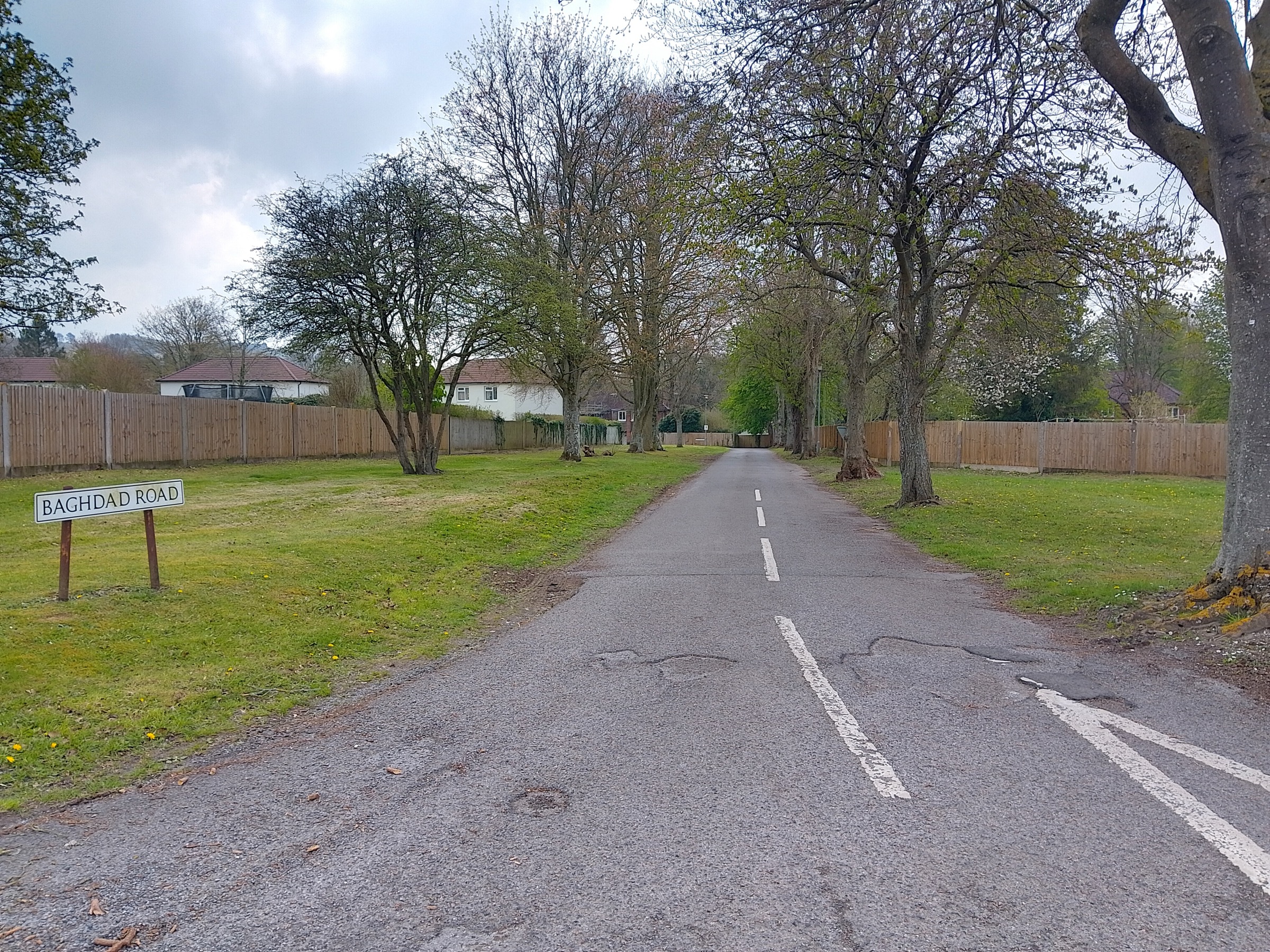
The estate itself
The state was the tenant of its own front doors.
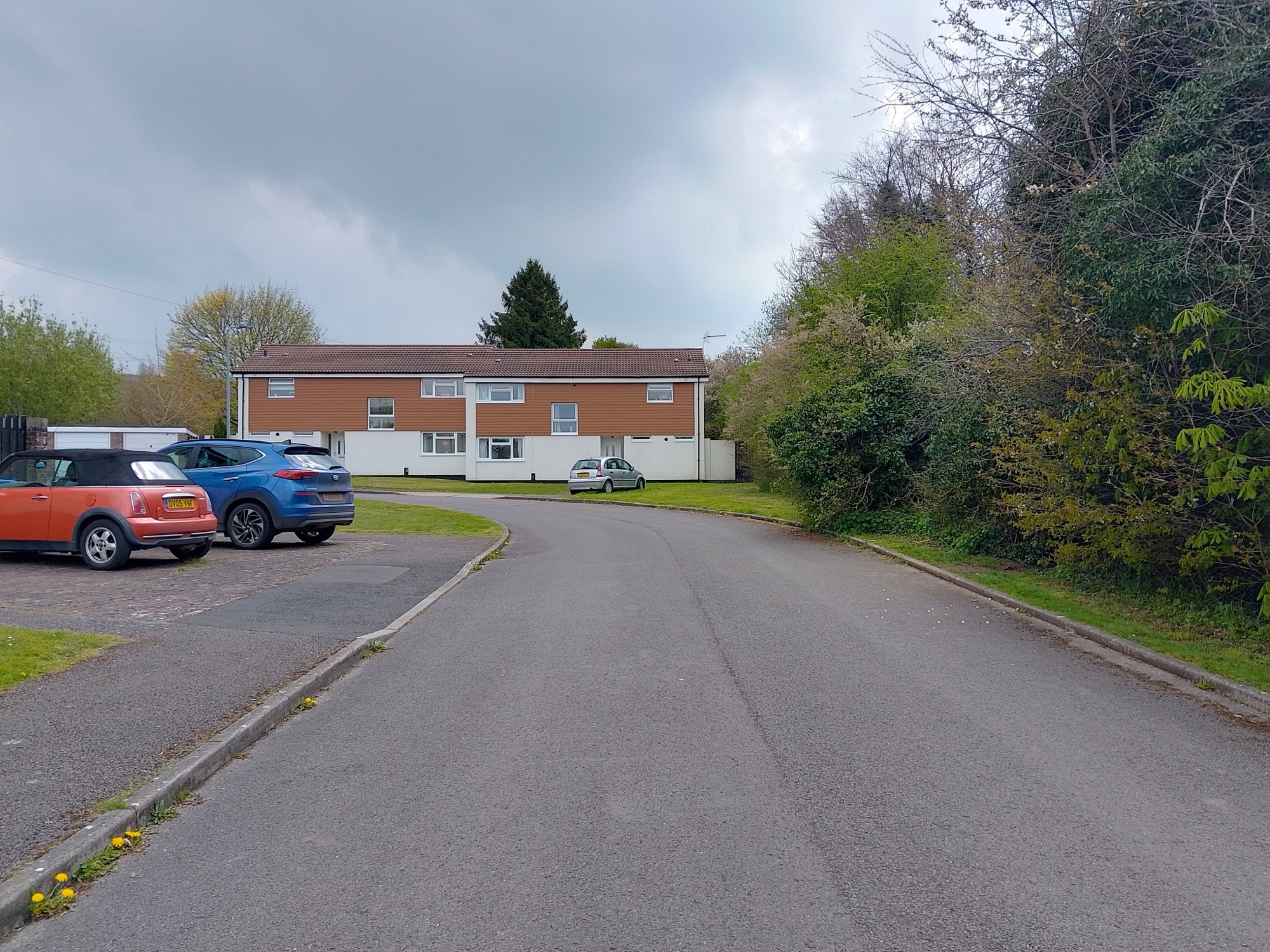
Baghdad Road, Bulford Camp — garrison streets carry the army's battle honours. Under the 1996 structure the MoD paid rent on these homes, maintained them, insured their emptiness, and paid a fee to give any of them back.Photo: Oscar Taylor, CC BY-SA 2.0, via Wikimedia Commons
The taxpayer's ledger
How the money went — every line the National Audit Office's own, in 2024 prices.
The taxpayer’s position, against never selling
−£14.5B
£3.50B in · £18B out, so far
9 Jan 2025 · The estate bought back −£6.0B
The taxpayer’s ledger
The money in, first, because there was so little of it. The 1996 sale raised £1.662 billion — £3.2 billion in 2024 prices — and the profit-share clawback the 1998 PAC praised added £0.3 billion before it expired, as drafted, after fifteen years.1,4 That is the whole of the revenue side of a twenty-eight-year transaction: £3.5 billion.1
Against it the auditor sets four costs, and the first two are the quiet ones.
And then the exit: £5,994,500,000 — £6.0 billion in the auditor’s rounding — wired on 9 January 2025 to reacquire 36,347 of the homes the state sold for £1.662 billion.1,11 The running total lands at −£14.5 billion, and the NAO’s conclusion holds both truths at once: the repurchase “represents value for money” — it was the cheapest option remaining, £4.2 billion cheaper than carrying on — and it is also the final line of “a cautionary tale about the risks… inherent in sale and leaseback transactions.”1
Twenty-eight years of a bad structure cost more than twice what exiting it did. That ratio, not the £6 billion, is the number this room would underline.
9 Jan 2025, The estate bought back, −£6.0B. Position −£14.5B.
The ledger, stepped
6 of 6 events
| When | Event | Amount | Position after |
|---|---|---|---|
| Nov 1996 | The estate sold | +£3.2B | +£3.2B |
| 1996–2011 | Profit share on early sales | +£0.3B | +£3.5B |
| 1997–2024 | Rent paid to Annington | −£6.5B | −£3B |
| 2004–2024 | Dilapidations on handbacks | −£0.3B | −£3.3B |
| 1996–2024 | Receipts lost on handed-back homes | −£5.2B | −£8.5B |
| 9 Jan 2025 | The estate bought back | −£6.0B | −£14.5B |
9 Jan 2025, The estate bought back, −£6.0B.
- Hard-sourced position, at exit
- −£14.5B
The lever was a 1967 statute
What finally moved a 999-year mistake was a piece of tenants’-rights law older than the deal. The Leasehold Reform Act 1967 lets qualifying tenants buy out their freeholder — and in 2021 the MoD noticed that with a Crown-controlled SPV holding the freeholds, the state could qualify. It served its first notice on a single house — 1 Sycamore Drive, Cranwell — in December 2021, eight test notices in all.5 Terra Firma called it “an appalling thing for the British government to do” and promised a “very long and very expensive” fight it expected to win.22 On 15 May 2023, Mr Justice Holgate ruled for the MoD on every point — and wrote the sentence every account now quotes:“The arrangements were and still remain a bad deal for the MoD, its [service family accommodation] estate and the public purse.”5,9,23
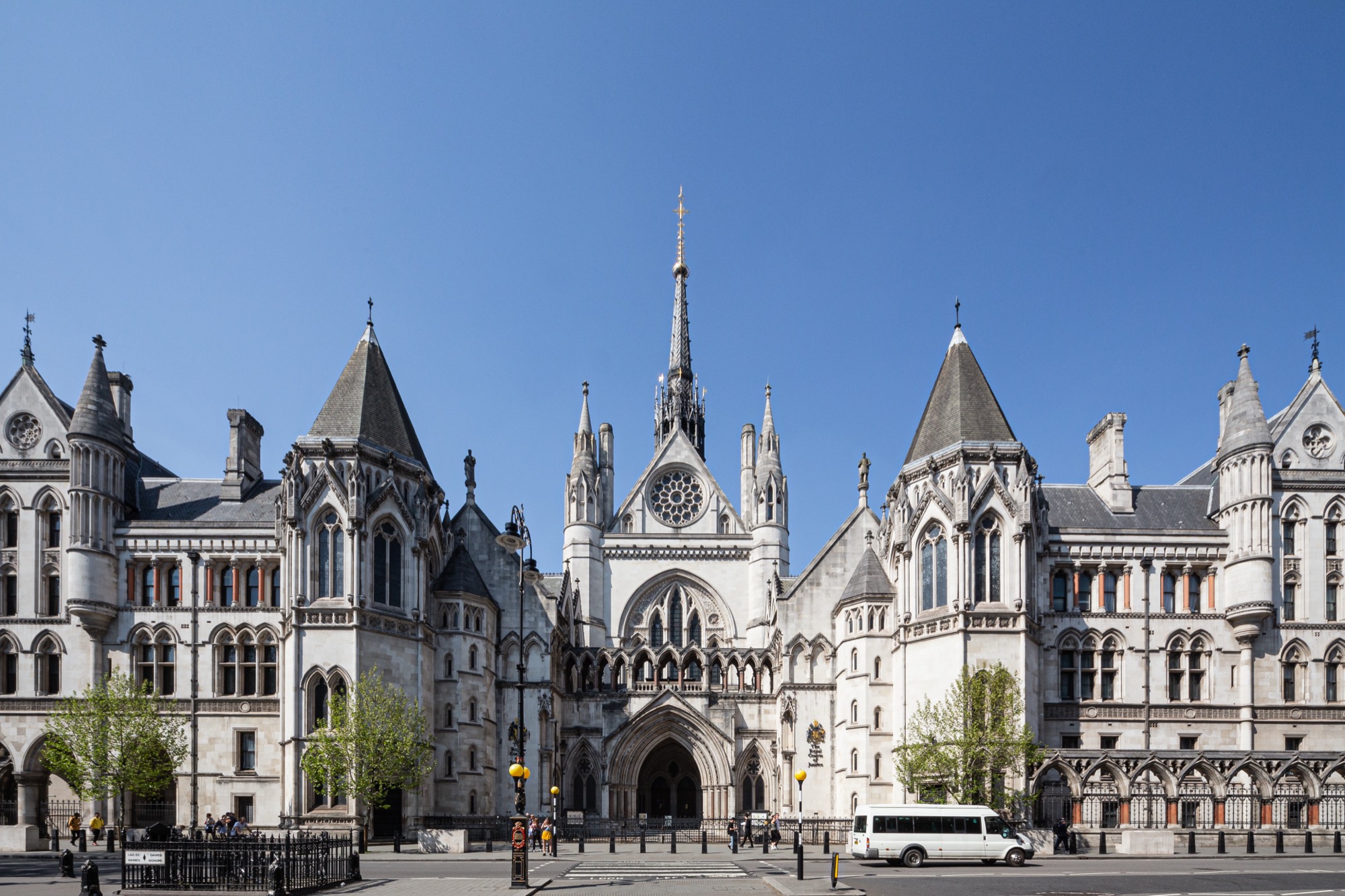
The reel’s “courtroom momentum” then compresses a subtler endgame. Annington appealed; the hearing was listed for July 2024 and adjourned for settlement talks — the MoD’s own barristers’ case note says so plainly — while Annington opened a second front at the European Court of Human Rights over the new leasehold reforms.24,32 But the judgment had already repriced the asset: Terra Firma shelved a planned sale of Annington to a third party, wrote the estate down 7 per cent, and in 2024 approached the MoD offering to sell.1 The state paid £5.99 billion against Annington’s £10.1 billion unencumbered valuation — £600 million above its opening offer, £1 billion below Annington’s — and the NAO’s options table shows why it said yes: doing nothing carried a £10.1 billion net present cost, and enfranchising home by home, £7.2 to £7.7 billion with completion around 2050.1

The seller’s exit deserves its own honest ledger. Annington took the £5.99 billion, redeemed and tendered £2.04 billion of bonds at 62.7 to 93.0 per cent of face — booking a £208 million gain buying back its own debt below par — paid its shareholders a £1.9 billion dividend, and kept 1,570 homes and £1.4 billion of cash to build a new rental business — “an important and transformative moment,” its chief executive told bondholders, “in our 28-year history.”13,14,15,17 Its audited accounts also record a £791.3 million loss on the disposal, because the price came in under CBRE’s carrying marks — a reminder that even a generational windfall can print red ink against the right baseline.15 And in January 2026 the coda: trustees for three bond series declared the sale itself an event of default and demanded acceleration, a claim Annington rejects “on all counts.”16 Twenty-eight years on, the deal is still generating adversaries.
The sequence
5 Nov 1996
Michael Portillo’s MoD sells 999-year head leases on 55,060 married quarters — 57,400 homes with the surplus units, by Annington’s own count — to Nomura’s Annington for £1.662 billion, from 19 bidders, and rents them back on 200-year underleases at a 58% discount. The price is £77–139 million below the MoD’s own valuation of simply keeping the estate. Nomura’s risk capital: £289 million.4,5,21
£1.66B
8 Jul 1998
The Public Accounts Committee’s first verdict: the MoD is “now in the business of maintaining and upgrading an estate which… is in effect owned by somebody else,” with 13,600 quarters — one in five — already standing empty at over £30 million a year.4
Nov 2012
Nomura sells Annington to Guy Hands’ Terra Firma for £3.2 billion — “the largest European LBO since 2008.” Terra Firma’s own two releases decompose the price differently (£1 billion of equity in November; £450 million plus £550 million of PIK notes in December), a discrepancy its website never reconciles.18,19
£3.2B
Jul 2017
Terra Firma refinances Annington with ~£4 billion of new capital, replacing the 7.54% securitisation Hands had called, in hindsight, “not the best decision.” Maturities now stretch to 2051.20,21
30 Jan 2018
The NAO’s second audit: £2.2–4.2 billion worse off in 21 years; Annington’s return 13.4% a year against the 9.7% expected. The PAC that July: “disastrous for taxpayers” — and still over 10,000 empty homes.2,3
−£2.2–4.2B so far
Dec 2021
Two moves in one month: the 25-year rent review settles at a 49.6% discount — about £36 million a year more rent — and the MoD serves its first enfranchisement notice, on 1 Sycamore Drive, Cranwell, through a Crown SPV built for the purpose. Terra Firma: “reneging on agreements that had been operating for over 25 years is an appalling thing for the British government to do.”1,5,22
15 May 2023
Holgate J rules for the MoD on every point: the eight test notices are valid, the judicial review is dismissed, and the judgment calls the 1996 arrangements “a bad deal for the MoD, its estate and the public purse.” Annington vows to appeal. Its own accounts soon cut the estate’s valuation by 7 per cent — £500 million.1,5,23
−£500M mark
Jul 2024
The appeal is listed — and adjourned for settlement talks, per the MoD’s own barristers. In September Annington opens a second front at the European Court of Human Rights over the new leasehold reforms. In between, Terra Firma approaches the MoD offering to sell.1,24,32
17 Dec 2024
The deal: £5,994,500,000 for 36,347 homes, against Annington’s £10.1 billion valuation of the estate unencumbered. Healey to Parliament: “this agreement reverses one of the most notorious privatisations of the 1990s.” The £230 million annual rent — “more than £600,000 a day” — ends.6,7,11,25,30
£5.99B
9 Jan 2025
Completion. Annington redeems and tenders its bonds — £2.04 billion of notes bought back at 62.7 to 93.0 per cent of face — declares a £1.9 billion dividend, books a £791.3 million accounting loss against CBRE’s marks, and keeps 1,570 homes and £1.4 billion of cash.8,12,13,15,17
£1.9B dividend
2 Nov 2025
The Defence Housing Strategy: £9 billion over ten years, a new Defence Housing Service, more than 100,000 homes planned on defence land — the estate the money now has to fix, with two-thirds of it, per the Defence Committee, “essentially no longer fit for purpose.”26,31
£9B pledged
27 Jan 2026
The coda from bondholder-land: GLAS Trustees, for three note series, asserts the sale itself was an event of default and demands acceleration. Annington is “shocked,” rejecting it “on all counts.”16
26 Jun 2026
The NAO’s third audit closes the ledger: £14.5 billion worse off than never selling, in 2024 prices — and the repurchase, at £5.9 billion net present cost, was the cheapest option left on the table. “A cautionary tale about the risks… inherent in sale and leaseback transactions.”1
−£14.5B
What transfers
The first lesson is the NAO’s own, and it generalises past governments: a sale-and-leaseback is a loan against everything the asset will ever become, repaid in rent. The seller keeps the obligations it understands — maintenance, voids, the workforce — and conveys the one thing it cannot model: appreciation. The MoD assumed 1 to 3 per cent house-price growth; Britain delivered 6.8; and the 58 per cent “discount” was never a discount at all, but the itemised price of keeping every burden while surrendering every gain.
The second is that exits from bad structures are priced by leverage, not by fairness. Nothing about the estate changed between 2021 and 2024 except the law’s availability: a 1967 tenants’ statute, a Crown SPV, eight test notices on ordinary houses, and one judgment later the counterparty that had promised a “very long and very expensive” fight wrote its own asset down and came to the table offering to sell. The £4.1 billion gap between Annington’s unencumbered valuation and the price paid is what a won lawsuit is worth in pounds.
The third is about how losses on public deals surface: slowly, in instalments, each audit completing the last. £2.2-to-4.2 billion at 21 years; nearly £8 billion on deal day; £14.5 billion when the auditor finally closed the file. None of the three numbers was wrong when stated. Each measured a longer stretch of the same direction — which is why the room’s rule about headline figures cuts both ways: ask not just what a number is, but when it stopped counting.
And the last is the sharpest: by 2024, paying £6 billion to undo the deal was the cheapest thing the government could do — £5.9 billion in net present cost, against £10.1 billion for carrying on. When unwinding a contract at three and a half times its original price is the value-for-money option, the analysis has stopped being about the exit. It is the true price of the entry, finally visible — and the reason the auditor filed this one under cautionary tales.
Common questions
- What exactly did the UK government sell in 1996, and on what terms?
- 999-year head leases on 55,060 married-quarters homes across 765 sites in England and Wales — 57,400 homes counting surplus units — sold to Annington, a vehicle created by Nomura’s principal finance group under Guy Hands, for £1.662 billion. The MoD rented the homes straight back on 200-year underleases at a 58 per cent discount to market rents for the first 25 years. The discount was not a favour: the NAO decomposed it as the price of the MoD keeping all maintenance, paying for empty homes, and paying dilapidations fees on every home it handed back. The price was £77–139 million below the MoD’s own valuation of simply keeping the estate.
- How did the Ministry of Defence get out of a 999-year deal?
- With a 1967 tenants’-rights statute. The Leasehold Reform Act lets qualifying tenants compulsorily buy out their freeholder, and the MoD — via a Crown-controlled company created for the purpose — served eight test enfranchisement notices in 2021–22, starting with a single house at RAF Cranwell. Annington sued and lost on every point on 15 May 2023, with the judge calling the 1996 arrangements “a bad deal for the MoD, its estate and the public purse.” Annington’s appeal was listed for July 2024 but adjourned for settlement talks; its own accounts had already cut the estate’s value by £500 million, and Terra Firma approached the MoD offering to sell. Contracts exchanged 17 December 2024; completion came on 9 January 2025.
- Was £5.99 billion a good price?
- Against the alternatives, yes — against ever having done the deal, catastrophically not. The National Audit Office found the £5.99 billion sat £4.1 billion below Annington’s £10.1 billion valuation of the estate unencumbered, and its options analysis put the repurchase at £5.9 billion in net present cost against £10.1 billion for continuing to rent and £7.2–7.7 billion for enfranchising home by home into the 2050s. The MoD’s own accounts now carry the estate at just over £9 billion. But the same NAO report closes the whole 28-year ledger at £14.5 billion worse off than never selling — the repurchase merely “stemmed the flow of further losses.”
- What did Annington’s owners actually make?
- The NAO calculated a 13.4 per cent annual return to Annington’s investors from 1996 to 2017, against the 9.7 per cent the MoD had expected. Nomura sold the company to Guy Hands’ Terra Firma for £3.2 billion in 2012; the 2024–25 exit brought £5.99 billion, out of which Annington repaid about £3 billion of debt — buying back £2.04 billion of its bonds at 62.7 to 93 per cent of face for a £208 million gain — paid a £1.9 billion dividend, and kept 1,570 homes plus £1.4 billion in cash. Its audited accounts also show a £791.3 million accounting loss on the sale against CBRE’s book values, and no source in the record computes a single lifetime profit figure for its owners; the 13.4 per cent is the closest official measure.
- What happens to the homes now?
- They anchor the Defence Housing Strategy published in November 2025: £9 billion over ten years, a new Defence Housing Service, plans to modernise around 43,000 service family homes by 2035 and to build more than 100,000 homes on surplus defence land. The need is the deal’s legacy in physical form — the Defence Committee found two-thirds of service family accommodation “essentially no longer fit for purpose,” the Kerslake Commission put the repair backlog at £4 billion, and an April 2026 FOI found 9,359 homes standing empty, three-quarters of them among those just repurchased. Ending the £230-million-a-year rent — “more than £600,000 a day,” in the government’s own arithmetic — was the beginning of the repair bill, not the end of it.
Sources
- National Audit Office (HC 29) — The repurchase of the service family accommodation estate — the third audit: £14.5 billion worse off by 2024, the full cost ledger (Figure 1), the options table showing repurchase as the cheapest path, and “a cautionary tale” (2026-06-26)
- National Audit Office (HC 762) — The Ministry of Defence’s arrangement with Annington Property Limited — the second audit: £2.2–£4.2 billion worse off over 21 years, the 58% discount decomposed, Annington’s 13.4% return against the 9.7% expected, and the 19% vacancy rate (2018-01-30)
- Committee of Public Accounts (HC 974) — The 2018 verdict — “disastrous for taxpayers, offering no protection against the private sector making excessive gains,” and over 10,000 empty homes, “roughly the same as 21 years ago” (2018-07-13)
- Committee of Public Accounts (Forty-Eighth Report, 1997–98) — The contemporaneous verdict — the £1,662 million price was £77–139 million below the Department’s own value for keeping the estate, and 13,600 quarters already stood empty (1998-07-08)
- High Court of Justice (Holgate J, [2023] EWHC 1154 (Admin)) — The enfranchisement judgment of 15 May 2023 — all eight notices valid, Annington’s claims dismissed, and the court’s own words: “the arrangements were and still remain a bad deal for the MoD, its estate and the public purse” (2023-05-15)
- Ministry of Defence (gov.uk announcement) — Government buys back 36,347 military homes — £5,994,500,000 against a £10.1 billion unleased valuation, the £230 million annual rent ended, and the “nearly £8 billion worse off” arithmetic (2024-12-17)
- John Healey MP (written ministerial statement HCWS323) — The Defence Secretary to Parliament — “this agreement reverses one of the most notorious privatisations of the 1990s,” and the £230 million a year, “more than £600,000 a day” (2024-12-17)
- Ministry of Defence (Defence Homes) — Major housing deal completed — formal completion on 9 January 2025, “ended the £600,000 daily rental bill” (2025-01-09)
- UK Government Investments (press release) — UKGI advises government on the buy-back — the May 2023 dismissal of all Annington’s claims confirmed, and the transaction structure (2024-12-17)
- House of Commons Library (CBP-9441) — Armed forces family housing and Annington Homes — the whole arc briefed for MPs: the 58%-to-49.6% rent settlement, the £5,994,500,000 in the Treasury’s own supply estimate, and the PAC’s Permanent-Secretary “poor one” concession (2025-01-09)
- Annington (RNS 3110Q) — Sale of MQE units to MOD and settlement of legal proceedings — Annington’s own regulatory announcement: £5,994,500,000 on closing, exchange 16 December, closing 9 January (2024-12-17)
- Annington (RNS 3111Q) — Further details on use of proceeds — the £3.354 billion of notes outstanding, the redemptions and the gilt-benchmarked tender (2024-12-17)
- Annington (RNS 4921U) — Half-year report and update on use of proceeds — the £1.9 billion dividend declared, ~£3 billion of debt repaid, £1.4 billion of cash retained (2025-01-23)
- Annington (investor call transcript) — The 17 December 2024 conference call — “an important and transformative moment for Annington in our 28-year history” (2024-12-17)
- Annington Limited (audited IFRS accounts, year to 31 March 2025) — The seller’s own books — 36,344 units surrendered, a £791.3 million accounting loss against CBRE’s marks, a £208.1 million gain buying back its own bonds, £1,930.0 million of dividends, and 1,570 homes retained (2025)
- Annington (RNS 6225Q) — Notice received: material prejudice and acceleration — GLAS Trustees asserting an event of default a year after completion, and Annington “shocked,” rejecting it “on all counts” (2026-01-27)
- Annington Funding plc (tender results, via Investegate) — The bond tender’s arithmetic — £2,041,854,000 of notes bought back at 62.7 to 93.0 per cent of face (2025-01-08)
- Terra Firma (press release) — Terra Firma acquires Annington for £3.2bn — the 2012 announcement: “an outstanding success story… a blue chip tenant on a lease of over 180 years” (2012-11-19)
- Terra Firma (press release) — The completion announcement — £450 million of equity, £550 million of PIK notes, £2.2 billion of assumed debt: the same deal, differently decomposed than the announcement a month earlier (2012-12-14)
- Terra Firma (press release) — The 2017 refinancing — ~£4 billion of new capital replacing the 1996 securitisation, “the single issue that would hold the business back” (2017-07-05)
- The Guardian (Holly Watt) — The long read on the 1996 sale — Nomura’s £289 million of risk capital, Warren Buffett among the losing bidders, the 7.54% securitisation in Hands’ own words, and £168 million of rent on which Annington “didn’t pay a penny of corporation tax” (2017-04-25)
- The Guardian (Julia Kollewe) — MoD seeks to buy back homes — the enfranchisement move of January 2022, and Terra Firma’s reply: “reneging on agreements that had been operating for over 25 years is an appalling thing for the British government to do” (2022-01-27)
- The Guardian (Jasper Jolly) — UK government wins right to take back military homes — the judgment day report, and Annington’s vow to appeal “a matter of significant public importance” (2023-05-15)
- The Guardian — Guy Hands’ property firm takes housing reforms to the European court — the second legal front, September 2024, resolved inside the same settlement (2024-09-19)
- The Guardian — The deal-day report — £5.99bn to Annington, “almost twice as much as Hands’ private equity company Terra Firma paid” in 2012 (2024-12-17)
- House of Commons Defence Committee (HC 406) — Service Accommodation — two-thirds of family housing “essentially no longer fit for purpose,” only £100 million of the 1996 proceeds ever reinvested in it, and the winter the repair contracts failed (2024-12-13)
- House of Commons Library (CBP-9716) — Armed forces housing: maintenance issues — the 2022–23 failures in numbers: four-day urgent response times against a 48-hour standard, and 163 homes without heating for over five days in mid-December (2024-11-13)
- Inside Housing — The NAO report, reported — the £14.5 billion, the Kerslake Commission’s £4 billion repair backlog, and 9,359 homes standing empty in April 2026, three-quarters of them the ones just bought back (2026-06-30)
- Inside Housing (long read) — Inside the government’s disastrous military housing deal — the failed non-profit trust that preceded privatisation, the “goldmine of the decade” line, and UKGI’s CFO on the 13.4% return (2025)
- Forces News — The buyback, reported to the forces — Healey’s “decisive break,” and cross-party support with the Conservative shadow secretary claiming the negotiations’ start (2024-12-17)
- Ministry of Defence (gov.uk press release) — The Defence Housing Strategy — £9 billion over ten years, a Defence Housing Service, and 100,000 homes planned on defence land: what the repurchase was for (2025-11-02)
- Wilberforce Chambers (case note) — MoD and Annington Homes reach settlement — from the MoD’s own barristers: the appeal was listed for July 2024 and “adjourned to allow the parties to explore settlement discussions” (2024-12-19)
- The Guardian — Firm backed by billionaire withdraws £105m offer to repair military homes — Annington’s 2022 modernisation offer, pulled, each side blaming the other’s clauses for the “appalling conditions” (2022-11-07)