
Case study Nº 29
The track record was the rate cycle wearing a firm.
S2 Capital raised its $400 million first fund in eight months at the top of the floating-rate era — its founder repeating “fixed-rate is for suckers” on a podcast as the Fed began hiking — and on 1 July 2026 told investors to expect no return of capital. The collapse is exactly as private as the fund was: a letter one reporter has seen, SEC filings frozen at their last amendment, five foreclosures on the first-Tuesday calendar, and a REIT beside it marking its founder shares from $10 to under a dollar in seven quarters.
Ben Fan, with Darryl WengAugust 6, 202616 min readWatch the reel
Fund I, closed at its hard cap, Sept 2022
$400M
Return of capital, per the 1 Jul 2026 letter
0%
S2 Capital raised its first fund in eight months at the exact top of the floating-rate era — $400 million against a $250 million target — and spent it on 20 apartment complexes financed the way its founder had described on a podcast that spring: “Fixed-rate is for suckers.”2,5,6 On 1 July 2026 a letter told the fund’s investors they would receive “no return of capital.”1 Between those two sentences sits everything this study walks through: a track record that was mostly a rate regime, the same bet made twenty times, and a collapse so private that its entire public record is four frozen SEC filings, a county auction list, one lawsuit — and a letter that exactly one reporter has ever seen. Jump to the marks ↓
The reel this brief grew from survives its fact-check with refinements rather than reversals. The $400 million, the $250 million target, the 20 floating-rate properties, the letter’s own triad — expenses up 16 per cent, interest up 50, rents down 24 — the five North Texas foreclosures securing $311 million, and the roughly $70 million ask that raised roughly $30 million all check out against the record.1,5,14,23 Three things sharpen. The famous line was borrowed — Everett was repeating a Starwood Capital director, on tape, in April 2022.2,3,30 The rent figure is Everett’s own, framed cumulatively from a 2022 peak, not a market statistic anyone audited.1,15 And the rescue is two separate moves the reel compresses into one: his own cash into twelve special-serviced properties in June, and a $100 million continuation vehicle proposed in the July letter.1,20
What the record adds is its own shape. The previous study in this room exists because a registered fund was obliged to file an 8-K about its rescue. S2 was obliged to file almost nothing — and so almost nothing exists. That asymmetry, between what $400 million of private capital must tell the public on the way up and on the way down, is the finding.
| The collapse at a glance | Number |
|---|---|
| The fund | S2 Multifamily Value-Add Fund I — $400M hard cap, Sept 2022, vs a $250M target5,6 |
| What the SEC ever saw of it | A Form D marked “Indefinite,” $117.9M sold to 127 investors — never amended after March 20224 |
| The letter | 1 July 2026: LPs and preferred investors “will receive no return of capital”1 |
| The letter’s stated causes | Expenses +16%, interest cost +50%, rents −24% across 20 properties — Everett’s own figures1 |
| The famous line | “Fixed-rate is for suckers” — 5 April 2022, repeating a Starwood Capital director2,3 |
| The foreclosure pool | Five North Texas properties, $311M — Computershare Trust, Benefit Street, Citibank, U.S. Bank Trust23 |
| The special-servicing pool | ~$558M across twelve CMBS loans; none ever met underwritten cash flow17,18,19 |
| The REIT beside it | Founder shares $10.00 → under $1 in seven quarters; Trinity: “expect a full loss of capital”3,16 |
| The capital call | $70M asked in January 2026; a $77M Form D offering shows $30.4M sold12,14 |
| The rescue | A continuation vehicle seeking $100M — or $110M; the same outlet reports both1,3 |
| The personal suit | Capital One v. Everett, $11.5M, filed 4 Aug 2026, New York Supreme Court26 |
| Fund II, for scale | $373M closed July 2025 vs a $600M goal; its last Form D shows $291.1M7,8 |
| The website, today | “Total Transaction Value $12.5B+ · Units Repositioned 50,000+ · Employees 750”35 |
The operator the era built
The origin story is real and it is the good kind: a teenage father flipping houses at 18 on food stamps, four years waiting tables, a cold call to “a wealthy entrepreneur” who staked the first deal, and a firm founded at 23 in 2012.2,29 The model was the decade’s: buy older Sun Belt apartments, renovate, raise rents, sell. It worked spectacularly for as long as the decade did. Inc crowned S2 the country’s fastest-growing private real estate company two years running; revenue topped $100 million by 2017; in 2021 alone the firm bought 10,000 units and passed Blackstone as DFW’s most active multifamily buyer.2,28,29 In July 2022 — the market’s exact crown — Everett told D Magazine that “DFW is now the best multifamily investment market in the country.”28
The financing was the model’s quiet second half. A value-add deal borrows short and floating — a bridge loan sized to the rents you intend to create, not the ones that exist — and in the years when the Fed held at zero, floating was simply cheaper. The line Everett repeated on Chris Powers’ podcast on 5 April 2022 — “Fixed-rate is for suckers” — was borrowed from a Starwood Capital director, and it was, in that decade’s data, close to true.2,3,30 A structured-finance veteran later put the same fact less quotably: rates fell for so long, and cap rates compressed so far, that “everybody can be a rock star in that environment.”3 The reel’s question — collision or the same bet twenty times — is answered by the loan documents: a floating-rate bridge on every one of Fund I’s twenty properties is one interest-rate position, held twenty times, with renovation schedules attached.1
What the market would give him, three times
The cleanest instrument for S2’s decade is not a rent chart. It is what investors handed the firm each time it asked — the market pricing the story, in its own money, on three dated occasions.
- Fund I · Sep 20225,6$400MTarget $250 million; hard cap reached in eight months, 60 per cent of it from investors who had backed S2 before. The peak of the era and of the firm’s credibility.
- Fund II · Jul 20257,8$373MTarget $600 million — 62 per cent of the ask, closed the same month a first S2 property went back to a lender at auction. The last Form D amendment shows $291.1 million.
- The capital call · Feb 202612,14,15$30.4MRoughly $70 million sought to stave off forced sales; the probable Form D shows $30.4 million sold of a $77 million offering. Trinity’s reading of the result: a “short runway to complete an orderly wind down.”
Each figure is what was actually subscribed, from the fund’s own release or filing; the notes carry the asks. The drift needs no commentary — from 160 per cent of target to 62 to 43, ending at a raise whose stated purpose was avoiding a fire sale. The reel calls this the warning sign that “appeared in fundraising,” and the record agrees, a year earlier than the letter.8,12
Twenty loans, one position
The same bet, twenty times, and the rate was the whole bet.
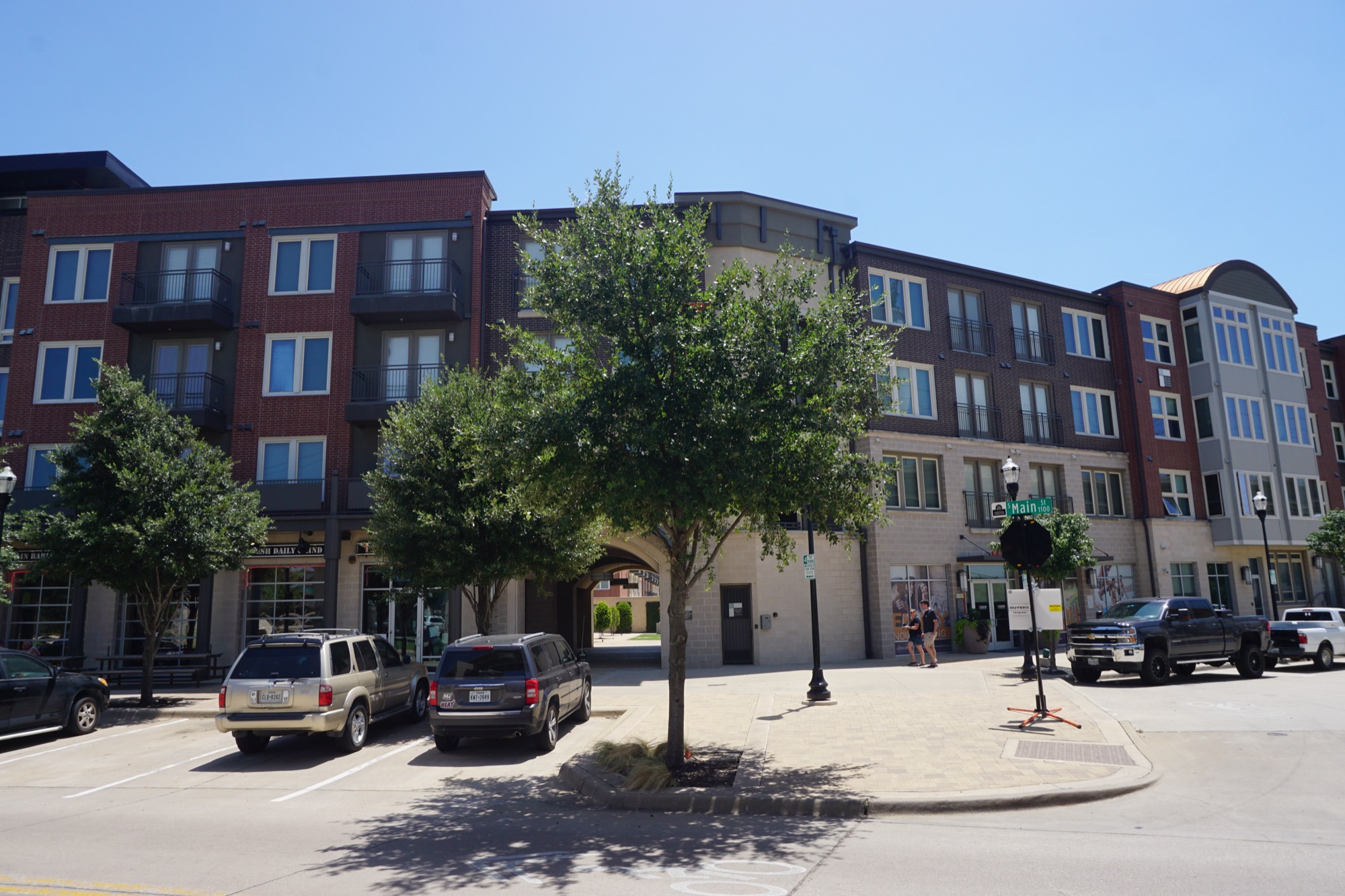
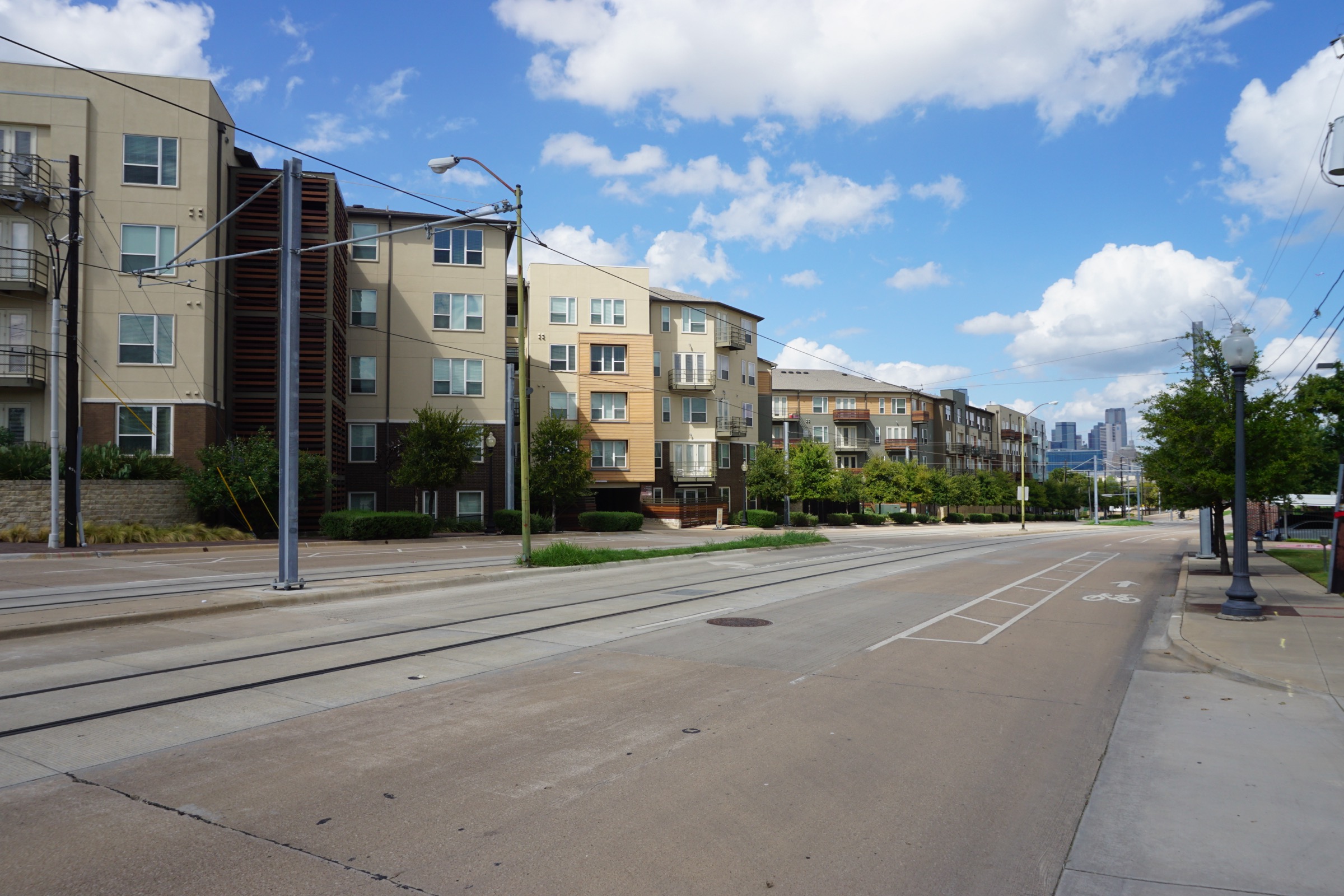
Zang Boulevard, Oak Cliff, looking toward downtown Dallas. Illustrative of the geography, not of S2's holdings: Fund I's twenty properties spread across the Sun Belt, every one financed on floating-rate debt sized to rents the renovations were meant to create.Photo: Michael Barera, CC BY-SA 4.0, via Wikimedia Commons
First Tuesday
Texas forecloses in public, on a schedule: trustee sales on the first Tuesday of every month, posted in advance, tallied by Roddy’s Foreclosure Listing Service and read by everyone in the market.23 That calendar is most of why this story’s hardest numbers exist at all. Through the spring of 2026 the postings accumulated: The Republic in Garland in May — 1,033 units against a $78.6 million Benefit Street loan from 2021, which Everett said was under contract to sell within thirty days; deed records a month later showed S2 still owned it.21,22 Three more in June — Hyde Park at Valley Ranch, The Loren and Hathaway at Willow Bend, 1,125 units carrying about $140 million, $125,000 of debt per unit.22 By July’s first Tuesday the pool was five properties and $311 million, owed to Computershare Trust, Benefit Street Partners, Citibank and U.S. Bank Trust.23 The three figures the coverage gives — $92.2 million on The Kace, $78.6 on The Republic, $140 for the June trio — join to the $311 million almost exactly, though no single article performs the sum.21,22,23
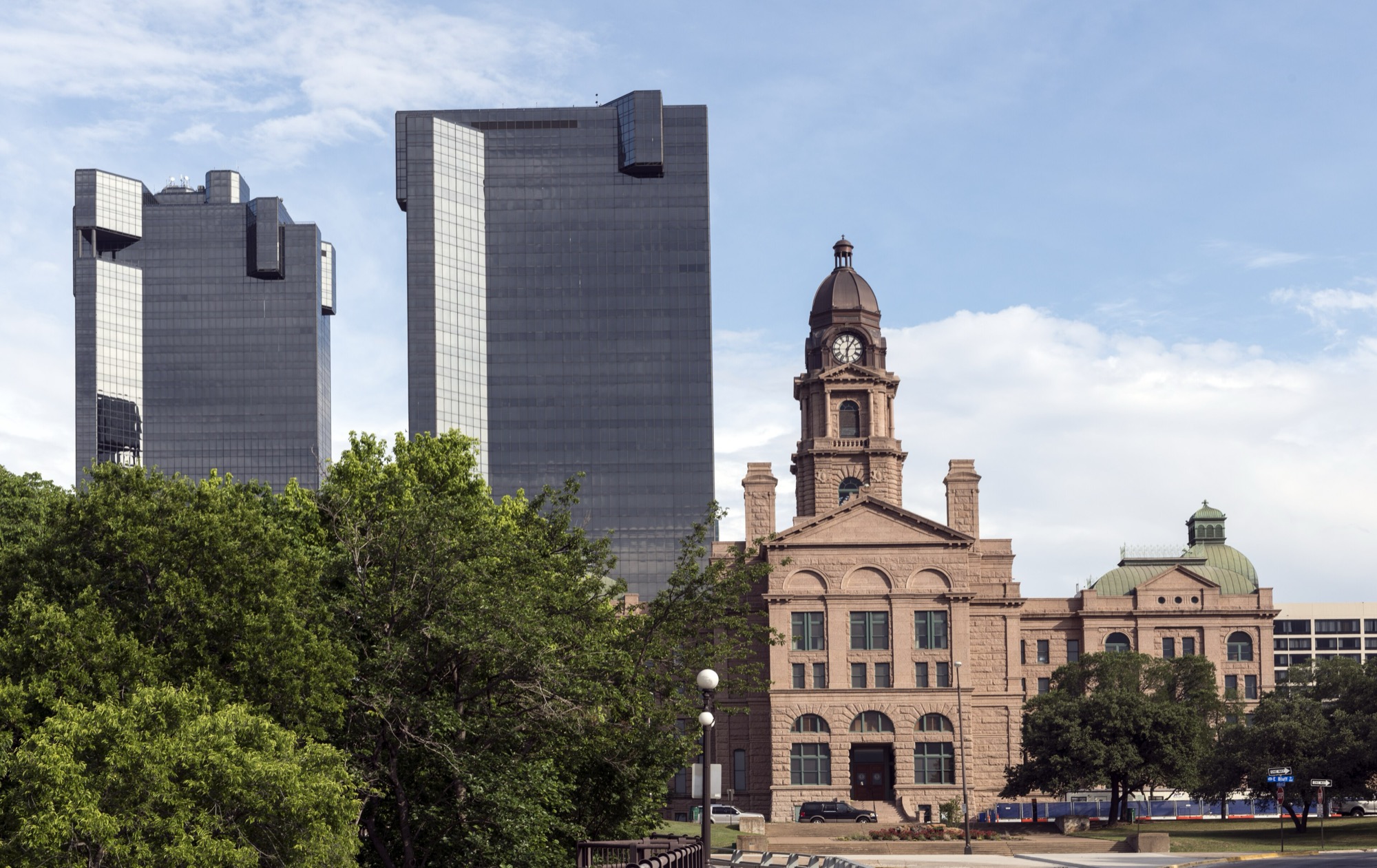
The auctions themselves resolved almost nothing, which is its own lesson in how this machinery actually runs. One property escaped sideways: Hathaway at Willow Bend sold in June to another syndicator for $37.7 million, clearing its $32.3 million loan.24 The Kace, The Republic and Hyde Park were re-flagged for August’s auctions — July’s scheduled sales moved no keys, the pattern The Real Deal’s monthly tallies politely call continued lender negotiations.25 And the twelve CMBS properties were, by Everett’s June account, being pulled from special servicing with his own cash — “not an insignificant amount” of it, in the interview’s only number.20
The rescue is a new fund
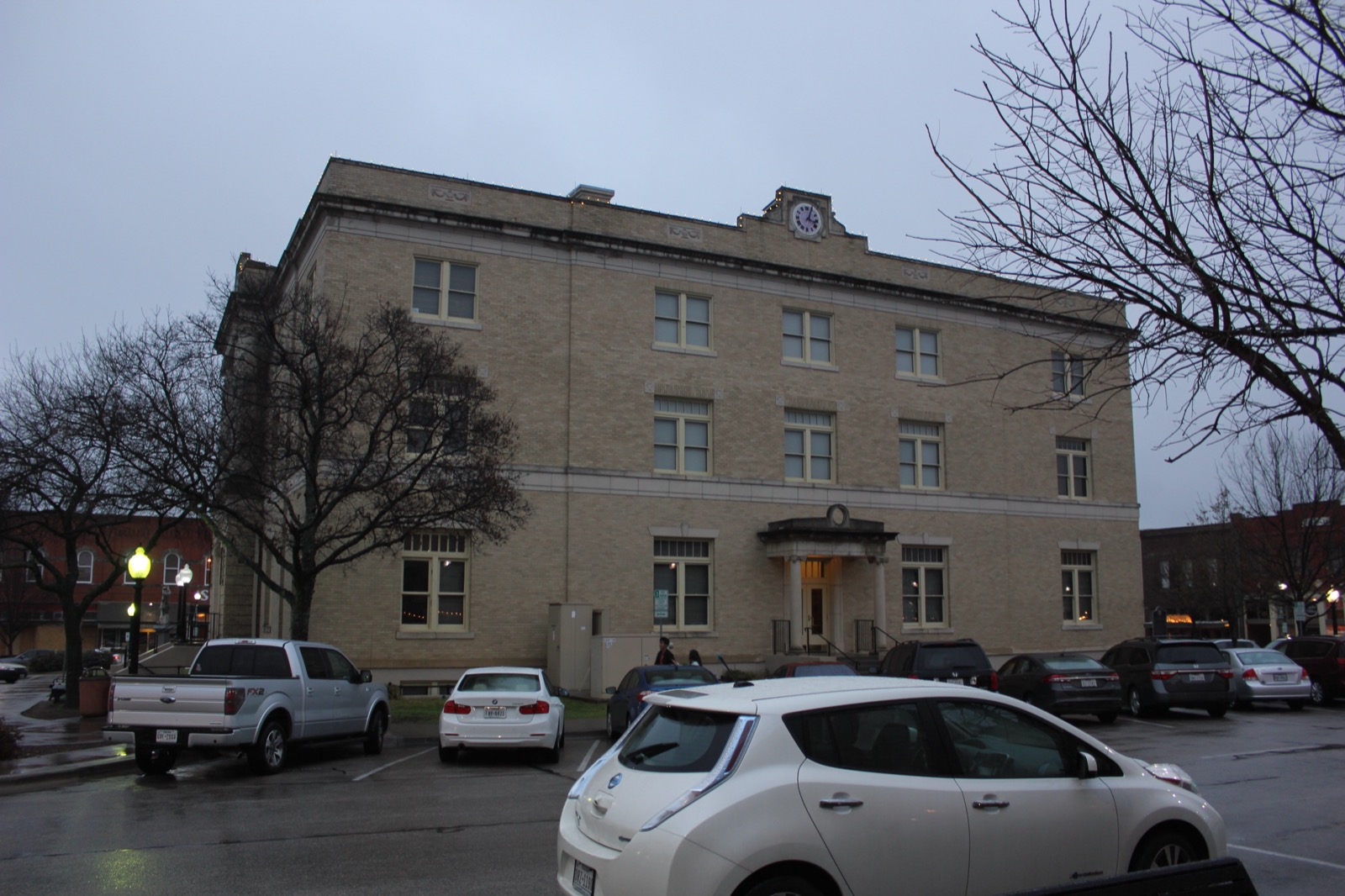
The letter’s second half is the part the reel ends on, and the record makes it stranger than the reel could. The plan is for S2 to buy the debt on the fund’s viable assets from the lenders — at a discount — restructure it, and sell the properties into a “continuation vehicle” backed by fresh capital: $100 million of it, per two reports; $110 million per a third, from the same outlet, citing the same letter. The record disagrees with itself and no correction was ever printed.1,2,3 A sponsor buying its own defaulted mortgage is a rare and real maneuver — Pyramid is doing it this month at Destiny USA, at under 20 cents on the dollar — but it is ordinarily an outsider’s trade, and it requires the lenders to prefer S2’s discounted cash to S2’s keys.34 Whether Benefit Street, Citibank or Computershare would rather sell Everett his own notes than foreclose on him is the deal’s open question, and no lender has said a word on the record.
What makes the proposal remarkable is who must fund it: substantially the same investor base that was just told to expect zero. The most honest sentence in the whole file belongs to Trinity — S2’s own feeder fund — advising clients to “evaluate any participation in the CV as an entirely new investment decision, independent of prior capital invested in the REIT.”3 Everett’s public posture is work: 20-minute calls to investors, “throwing our hands up in the air and crying doesn’t solve the issue,” a LinkedIn statement promising to be “straightforward about where things stand.”3,27 The record around the posture is messier: the July 4th vacation photos and “go touch some grass,” an industrial-park acquisition announced five days after the letter, a BBB “F” on S2’s property manager met with “53 seems low,” a $175,000 FINRA fine on Trinity for its marketing, and — two days before the reel aired — Capital One suing Everett personally in New York for $11.5 million on a guaranty he signed when the same market made him look infallible.2,3,26
He is not alone in that last respect, and the company he keeps is the study’s context: Applesway’s 3,200 Houston units taken back by Arbor at the courthouse in 2023; Tides Equities’ principals under $50.5 million of personal-guaranty judgments; GVA and Lurin in their own lender fights.26,32,33 The floating-rate value-add wave is unwinding operator by operator, on the same mechanism Trepp described when it began: rate caps that cost 0.25 per cent of the debt in 2021 repriced toward 5, and “you can’t fund this out of cash flow, because higher interest rates have squeezed away all your cash flow.”31 S2 is the wave’s largest Texas expression — 30.8 per cent of every multifamily CMBS dollar the state sent to special servicing in a year.19 And its website today still reads “Total Transaction Value $12.5B+ · Units Repositioned 50,000+ · Employees 750,” with the leadership page describing “all three of S2’s investment vehicles” as going concerns.35
The sequence
2007–2012
Scott Everett starts flipping houses at 18 — on food stamps, waiting tables, a teenage father — and in 2012, at 23, co-founds S2 Capital with Harold “Skip” Bird: buy old apartments, renovate, raise rents, sell.2,29
Aug 2016
Inc names S2 the fastest-growing private real estate company in the country, for the second year running. The firm claims 9,646 per cent sales growth over three years; revenue tops $100 million the next year.2,29
2021
S2 buys 10,000 apartment units in a single year and passes Blackstone as the most active multifamily buyer in DFW over the trailing five years, on Real Capital Analytics data.2,28
10,000 units / yr
5 Apr 2022
On Chris Powers’ podcast, Everett repeats a line he attributes to a Starwood Capital director: “Fixed-rate is for suckers.” The Fed’s hiking cycle is three weeks old.2,3,30
24 Feb–7 Sep 2022
Fund I: first sale in February, $400 million hard cap by September against a $250 million target — eight months, 60 per cent from existing investors. The SEC Form D is never amended past March’s $117.9 million, so the close lives only in the press release. The fund buys 20 properties on floating-rate debt.1,4,5,6
$400M
Jul 2022
D Magazine reports S2 has passed Blackstone; Everett: “DFW is now the best multifamily investment market in the country.” Rents in the letter’s later accounting peak that October.15,28
Feb 2024
The REIT: 26 joint ventures rolled into S2C Real Estate Income Trust at a blended 93 cents on the dollar — Weston Medical Center converts at 0.31x — targeting $1 billion of new capital on a $1.6 billion seed. Founder shares price at $10.9,10
$10.00 / share
Jul 2025
Two events, same month: S2 closes Fund II at $373 million against a $600 million goal, and hands back the keys to Preslee Apartments in Arlington at a foreclosure auction after defaulting on a $36 million CBRE loan — the first domino.8
$373M · one key back
Jan–Feb 2026
The capital call: $70 million of preferred equity sought, with the webinar warning that failure means asset sales at a ~5.5% cap — “significant impairment to the common equity (60-75% loss).” A Form D for S2C REIT HOLDCO I shows $30.4 million sold of a $77 million offering.12,13,14
$30.4M of $77M
May 2026
Trinity Investors to REIT investors: “Equity investors should expect a full loss of capital.” Morningstar routes ~$558 million of S2 CMBS loans to special servicing; none has ever met its underwritten cash flow. Everett’s email: rents down 32 per cent from October 2022. “We notified LPs of this in November.”15,16,17,18
$558M serviced
8 Jun 2026
Everett tells CoStar he is putting his own cash — “not an insignificant amount” — into pulling twelve properties out of special servicing: “We believe there’s been two broader real estate recessions, smashed together.”20
1 Jul 2026
The letter. Fund I’s LPs and preferred investors “will receive no return of capital.” Everett’s stated causes: expenses up 16 per cent, interest up 50, rents down 24 across the 20 properties. The plan: buy the debt on the viable assets, restructure, and sell them into a continuation vehicle backed by $100 million of new money.1
$0 to LPs
7 Jul 2026
July’s first-Tuesday auctions arrive with five S2 properties on the block, tied to $311 million of loans from Computershare Trust, Benefit Street Partners, Citibank and U.S. Bank Trust. Three days earlier, his wife’s July 4th vacation photos draw a backlash; Everett tells one critic to “go touch some grass with friends.” On July 6 S2 announces an industrial-park acquisition: “We’re excited to get to work!”2,23
$311M
31 Jul 2026
One of the five escapes: Hathaway at Willow Bend sells to Granite Towers for $37.7 million, clearing its $32.3 million Benefit Street loan. The Kace, The Republic and Hyde Park at Valley Ranch are re-flagged for August — July’s auctions moved nothing.22,24,25
$37.7M sale
4–6 Aug 2026
Capital One sues Everett personally in New York Supreme Court for $11.5 million on his Richmond Apartments guaranty — $93.8 million owed on a matured $85.2 million loan. Two days later the reel airs. S2’s website, unchanged: “Total Transaction Value $12.5B+.”26,35
$11.5M demanded
What transfers
The first lesson is the reel’s, confirmed and sharpened: a portfolio of twenty floating-rate bridge loans is not twenty investments. It is one position — short the interest rate, long the renovation schedule — expressed twenty times, and diversification across buildings does nothing to diversify it. The tell was always audible. When a sponsor has a slogan about financing, the slogan is the strategy; price the slogan, not the buildings.
The second is about track records. S2’s was real — the units, the growth rankings, the Blackstone headline all happened — and it was also, in Clay Barnes’s phrase, an environment where everybody could be a rock star. The honest test of a track record is not its size but its weather: how much of it was earned against the rate cycle rather than by it. Every number in S2’s rise dates from inside a falling-rate regime; the first year outside it produced the first foreclosure, and the fourth produced the letter.
The third is about what a private fund’s record is. When SREIT — this room’s previous study — needed rescuing, securities law produced an 8-K, a prospectus supplement, and a disagreement between them that anyone could read. When Fund I died, the law produced nothing: the fund’s SEC file stops at $117.9 million in March 2022, its famous $400 million close exists only in a press release, and the letter that ended it has been seen by one reporter. What remains checkable of a Reg D collapse is whatever touches the public machinery — county auction postings, a personal-guaranty docket, four frozen Form Ds. An LP’s real disclosure regime is the fine print of Texas’s first Tuesday.
And the last is Trinity’s sentence, which generalizes. Every continuation vehicle, every rescue raise, every “new chapter” pitched by the operator of the old one is exactly what S2’s own feeder fund said this one is: an entirely new investment decision, independent of prior capital. Sunk capital buys no discount on the next underwriting — and an operator’s willingness to say so, unprompted, is worth more than any IRR he projects.
Common questions
- What happened to S2 Capital’s $400 million fund?
- S2 Multifamily Value-Add Fund I — closed at its $400 million hard cap in September 2022 against a $250 million target — bought 20 apartment properties financed with floating-rate bridge debt. In a letter dated 1 July 2026, founder Scott Everett told the fund’s limited partners and preferred equity investors they would receive no return of capital, citing a 16 per cent rise in expenses, a 50 per cent rise in interest costs, and a 24 per cent fall in rents across the portfolio — his own unaudited figures. Five North Texas properties tied to $311 million in loans were posted for the July foreclosure auctions; one sold privately, and three were re-flagged for August.
- Did Scott Everett really say “fixed-rate is for suckers”?
- Yes, with a nuance the retellings drop: he was repeating a line he attributed to a Starwood Capital director, on Chris Powers’ podcast on 5 April 2022 — three weeks into the Fed’s hiking cycle. The line described the era’s genuine arithmetic: for a decade, floating-rate bridge debt had been the cheaper and more flexible way to run a renovate-and-raise-rents strategy. It also meant Fund I’s twenty loans were one interest-rate bet made twenty times, which is why the same letter that reported falling rents also reported interest costs up 50 per cent.
- How is a $400 million collapse this poorly documented?
- Because nothing required documenting it. Fund I was a Regulation D private placement: its entire SEC record is a Form D listing the offering as “Indefinite,” last amended in March 2022 at $117.9 million sold — the $400 million close exists only in a press release. No filing marked the fund’s decline and none marked its death. The 1 July letter has been quoted by exactly one reporter, at The Real Deal, and every other account traces to hers; no Wall Street Journal or Bloomberg story exists. What is independently checkable is what touched public machinery: county foreclosure postings, Morningstar’s CMBS surveillance, and Capital One’s suit against Everett in New York Supreme Court.
- What is the continuation-vehicle rescue, and what are its chances?
- The letter proposes that S2 buy the debt on the fund’s viable properties from lenders at a discount, restructure it, and sell those assets into a new “continuation vehicle” funded with $100 million of fresh capital — or $110 million; The Real Deal’s own articles give both figures. Separately, Everett said in June he was putting a personally significant amount of his own cash into pulling twelve CMBS properties out of special servicing. The plan requires two consents the record does not yet show: lenders preferring discounted cash to foreclosure, and investors — largely the ones just wiped out — treating the new vehicle the way S2’s own feeder fund advised: “as an entirely new investment decision, independent of prior capital.”
- Is S2’s collapse unusual, or part of something bigger?
- It is the Texas-sized version of a sector-wide unwind. The floating-rate value-add wave of 2021–2022 has been failing operator by operator as rate caps expired and repriced from about 0.25 per cent of loan balance toward 5: Applesway lost 3,200 Houston units to Arbor in 2023; Tides Equities’ principals carry $50.5 million in personal-guaranty judgments; GVA and Lurin are in their own lender fights. Morningstar attributes 30.8 per cent of all Texas multifamily CMBS special-servicing transfers over a year to S2 and its affiliates — the wave’s single largest local expression, run by the operator who had grown fastest when the same leverage worked.
Sources
- The Real Deal (Jess Hardin) — S2 Capital winds down first fund — the July 1 letter, seen by this reporter and no other: "no return of capital," the 20-property triad of +16% expenses, +50% interest and −24% rents, and the continuation-vehicle plan (2026-07-02)
- The Real Deal — From "fixed-rate is for suckers" to "no return of capital": a timeline of S2 Capital’s fall — the 2012 founding at 23, the Inc 500 years, the April 2022 podcast, the Preslee foreclosure, and the July 4th posts (2026-07-13)
- The Real Deal (magazine) — Scott Everett won’t quit multifamily syndication — the founder-share marks from $10 to under a dollar, the 22% and 28.5% underwritten IRRs, the BBB grade and "53 seems low," and Trinity’s advice to treat the rescue as "an entirely new investment decision" (2026-08-03)
- SEC EDGAR (Form D/A, S2 Multifamily Value-Add Fund I, LP) — The fund’s last SEC filing — offering amount "Indefinite," $117,920,000 sold to 127 investors, first sale 24 February 2022, never amended again: the $400 million close appears in no filing (2022-03-21)
- S2 Capital (press release, PR Newswire) — S2 Capital announces final close of its Multifamily Fund I at $400 million — the hard cap, in eight months, against a $250 million target, at "$6 billion of multifamily assets under management" (2022-09-07)
- The Real Deal — S2 Capital launches its first fund with a whopping $400M — the contemporaneous close: 60% from existing investors, and Everett grateful "through the challenging financial markets of recent months" (2022-09-07)
- SEC EDGAR (Form D/A, S2 Real Estate Fund II, LP) — Fund II’s last amendment — $291,140,000 sold as of March 2025; the reported $373 million close, like Fund I’s, never reached a filing (2025-03-13)
- The Real Deal — S2 raises $343 million for second fund — the piece whose own headline and body disagree ($343M vs $373M) on a close that fell short of the $600 million goal, published the same month S2 handed back the keys to Preslee Apartments (2025-07-11)
- The Real Deal (magazine) — Scott’s solution — the February 2024 REIT roll-up: 26 joint ventures converted at a blended 93 cents on the dollar, Weston Medical Center at 0.31x, and the refinancing from 8.3 to 5.2 per cent that saved $12 million a year (2024-11-04)
- PERE — S2 Capital targets $1bn for multifamily private REIT — seeded with a $1.6 billion portfolio, "the largest vehicle of its kind focused on the sector" (2024-04-03)
- SEC EDGAR (Form D/A, S2C REIT OP, LP) — The operating partnership’s cumulative tally — $316,145,252 of units sold by February 2026, the converted equity of the rolled-up joint ventures (2026-02-05)
- The Promote (Hiten Samtani) — S2’s capital call — the investor-webinar language: failure to raise would force "asset sales at an estimated ~5.5% cap rate," a "significant impairment to the common equity (60-75% loss)," and a $70M preferred ask (2026-01-23)
- The Real Deal — Scott Everett’s S2 Capital issues capital call — the January 2026 ask, against a 130-property, 28,000-unit portfolio then ranked 44th among the country’s largest apartment owners (2026-01-27)
- SEC EDGAR (Form D, S2C REIT HOLDCO I, LLC) — The probable capital-call vehicle — a $77,000,000 offering with $30,408,550 sold, first sale 3 February 2026; no source names this entity as the call, and the numbers say it is (2026-02-19)
- The Real Deal — Feeder fund for S2 Capital’s REIT predicts loss — the $30 million result, the "short runway to complete an orderly wind down," and Everett’s May email: rents down 32 per cent from October 2022, expenses up 26 (2026-05-08)
- The Promote — S2’s REIT reckoning — Trinity Investors to its clients, in plain words: "Equity investors should expect a full loss of capital" (2026-05-06)
- Multifamily Dive (citing Morningstar Credit) — S2 Capital properties head to special servicing — the underwritten-versus-actual ledger: The Sophia at $686,000 against a $2.8 million underwriting, The Loren at $810,700 against $2 million, and The Kace, which "has never met underwritten net cash flow" (2026-05-29)
- The Dallas Morning News (Neal Franklin) — One of Texas’ largest apartment owners faces $560M in loan trouble — the special-servicing total ($558 million in the body), and the Republic default confirmed against Dallas County records (2026-06-03)
- CRE Daily (citing Morningstar Credit) — Texas multifamily distress outpaces peers — S2 and its affiliates as 30.8% of all Texas multifamily CMBS special-servicing transfers in a year, with thirteen linked loans that never met underwritten cash flow "during any reporting period" (2026-06-11)
- CoStar News — S2 Capital founder opens his own wallet to reclaim 12 apartment properties — the June interview: "a lot of cash," "not an insignificant amount," and the twelve properties listed with their ~$558 million of CMBS balances (2026-06-08)
- The Real Deal — Scott Everett’s S2 Capital faces $79M foreclosure — The Republic Apartments in Garland: 1,033 units, a $78.6 million Benefit Street Partners loan from 2021, and a sale Everett said was thirty days away (2026-05-27)
- The Real Deal — S2 faces foreclosure on three DFW properties — Hyde Park at Valley Ranch, The Loren and Hathaway at Willow Bend: 1,125 units, ~$140 million of loans, $125,000 of debt per unit — and deed records contradicting the thirty-day sale (2026-06-22)
- The Real Deal — Texas’ biggest loans headed to foreclosure auctions in July — the five S2 properties and the $311 million, from Computershare Trust, Benefit Street Partners, Citibank and U.S. Bank Trust, on Roddy’s Foreclosure Listing Service data (2026-07-06)
- The Real Deal — S2 sells Plano apartments flagged for foreclosure — Hathaway at Willow Bend to Granite Towers for $37.7 million, the one property of the five that escaped by sale (2026-07-31)
- The Real Deal — Texas’ biggest loans head to foreclosure auctions in August — The Kace, The Republic and Hyde Park at Valley Ranch flagged again: July’s scheduled sales did not transfer them (2026-08-03)
- The Real Deal — Capital One sues S2 Capital CEO Scott Everett — the 4 August filing in New York Supreme Court: an $85.2 million loan matured with $93.8 million owed, and a personal guaranty capped at $10 million plus interest (2026-08-06)
- CoStar News — S2 Capital seeks next chapter as it winds down its first apartment fund — the 20-minute calls, and "throwing our hands up in the air and crying doesn’t solve the issue" (2026-07-15)
- D Magazine — Dallas-based S2 Capital surpasses Blackstone as most active buyer of multifamily in DFW — July 2022, the top of the market, in the buyer’s own words: "DFW is now the best multifamily investment market in the country" (2022-07-14)
- The Cross Timbers Gazette — Marcus grad works his way up to running $100M company — the 2018 origin telling: flipping houses at 18 on food stamps, waiting tables for four years, Inc’s fastest-growing real estate company in 2015 and 2016 (2018-07-17)
- The Promote — S2’s escape hatch — the November 2024 corroboration of the line: "theirs were tales of floating-rate chutzpah — ‘fixed-rate is for suckers,’ Everett once said" (2024-11-11)
- The Real Deal (magazine) — When the Tides go out — the mechanics of the wave: rate caps repriced from 0.25% of debt to 5%+, "you can’t fund this out of cash flow... this amounts to a capital call" (Trepp’s Manus Clancy), and lenders’ three choices at maturity (2023-08-01)
- The Real Deal — Arbor forecloses on $229 million Houston portfolio — Applesway: 3,200 units across four properties, taken back at the April 2023 courthouse sales, the wave’s first big wipeout (2023-04-10)
- The Real Deal — Tides Equities principals owe Starwood $50M — the personal-guaranty judgments that show where the syndicator reckoning ends up: "there are no questions of fact about the guarantors’ liability" (2025-06-09)
- CRE Daily (citing Bloomberg) — Destiny USA’s CMBS debt faces more than $350M in losses — the precedent for buying back your own mortgage: Pyramid, under 20 cents on the dollar, after a failed 2025 attempt (2026-08-10)
- S2 Capital (corporate website) — About Us, as it reads five weeks after the letter — "Total Transaction Value $12.5B+, Units Repositioned (Residential) 50,000+, Employees 750," and no mention of any of it (accessed 10 August 2026) (undated)