
Case study Nº 03
Blackstone paid $39B for 543 office buildings — and sold 70% of them in five months
The largest leveraged buyout in real estate history closed at the top of the market in February 2007. The record shows the buyers were lined up before it closed, a $720 million fee bought the certainty that made that possible, and the man who took the Manhattan towers lost every one of them.
Ben Fan, with Darryl WengNovember 19, 202514 min readWatch the reel
Paid, Feb 2007
$39B
Sold on, by Jul 2007
$27.3B
Blackstone bought the largest office landlord in the United States at what turned out to be the exact top of the market, and five months later had sold enough of it to cover 70 per cent of the price.10 That is not a story about seeing the crash coming. The buyers were lined up before the deal closed, and the firm had told its own investors it would do this.9 Jump to the money ↓
The trade underneath it is simpler than the size suggests. Equity Office was 543 buildings and 103.1 million square feet spread across sixteen states, and nobody wanted all of it.7 Institutions wanted the towers in Manhattan, Boston, Seattle, Washington and San Francisco, and they would pay full price for those individually. A company holding all 543 could only be bought at a price for all 543. Blackstone paid the price for the pallet and sold the good pieces separately, and the gap between those two ways of pricing the same real estate is where the money was.
What made it survivable was that the selling started before the owning did. What made it possible at all was a fee.
| The deal at a glance | Number |
|---|---|
| Seller | Equity Office Properties Trust, the Chicago REIT Sam Zell built8 |
| First agreement, signed 19 Nov 2006 | $48.50/share · about $36 billion with debt1 |
| Final price, agreed 6 Feb 2007 | $55.50/share · about $39 billion with debt6,8 |
| Equity value alone | About $23 billion8 |
| Portfolio at closing, 31 Dec 2006 | 543 buildings · 103.1 million sq ft · 16 states7 |
| Blackstone's own equity, Feb 2007 | $3.75 billion, against $31.9 billion of debt8 |
| Termination fee, final | $720 million, raised from $200 million4,6 |
| Shareholder vote, 7 Feb 2007 | 92%+ of votes cast · 71.3% of all shares8 |
| Sold to Macklowe Properties, Feb 2007 | About $7 billion · about 6.5M sq ft in Manhattan8 |
| Sold to Beacon Capital, Feb 2007 | About $6.5 billion at the time; $6.35 billion in later reporting9,14 |
| Recovered by 26 Jul 2007 | 70% of the $39 billion cost10 |
| Lifetime proceeds, reported Oct 2019 | About $46 billion · about $7 billion of profit16 |
| Internal rate of return | Never published, by anyone |
The seller had already named his price
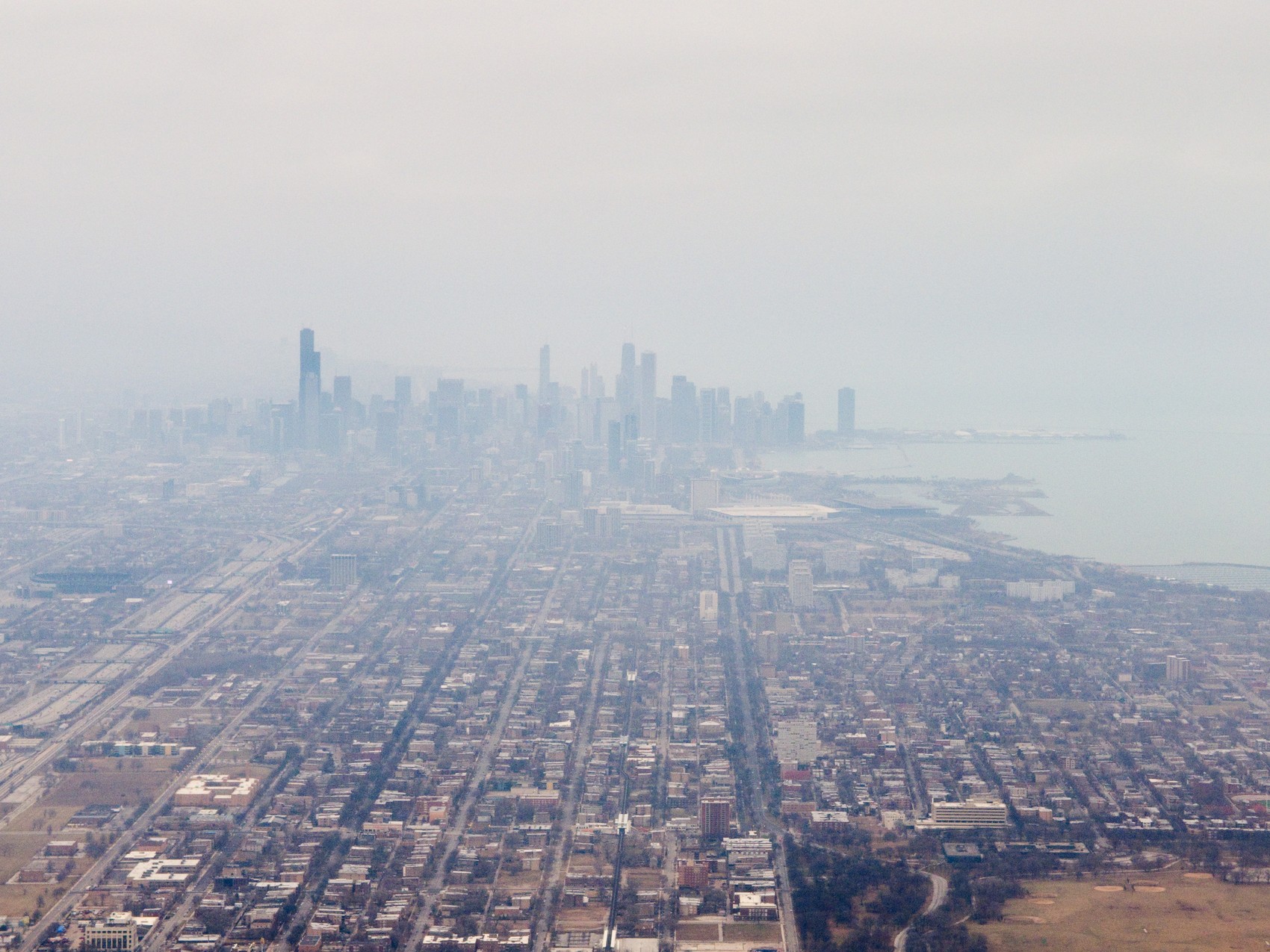
Every purchase is somebody’s sale, and the proxy statement Equity Office filed for its own shareholders is unusually candid about how this one was reached. Approaches had been arriving since late 2005 and being turned away — $37, $40, $40.75 a share. Zell told his own board he would not support a sale below $45 “at a minimum”.2
Blackstone’s Jonathan Gray made his first approach in the middle of August 2006, at $40 to $42 a share, paired with a plan — later abandoned — to bring in another office REIT to take a third of the assets off his hands. He was told the price was not sufficient and submitted nothing in writing. In the last week of October he asked what a compelling number would look like, and Merrill Lynch, advising Equity Office, told him informally that it would have to exceed $45 and would probably have to be closer to $50.2 He came back on 2 November at $47.50.
Two and a half weeks of negotiation moved that to $48.50, cut the termination fee from the $275 million Blackstone had proposed to $200 million, and raised the guarantee behind the deal from $500 million to $1.5 billion.2 The agreement was signed on the evening of 19 November 2006 and valued the company at about $36 billion.1
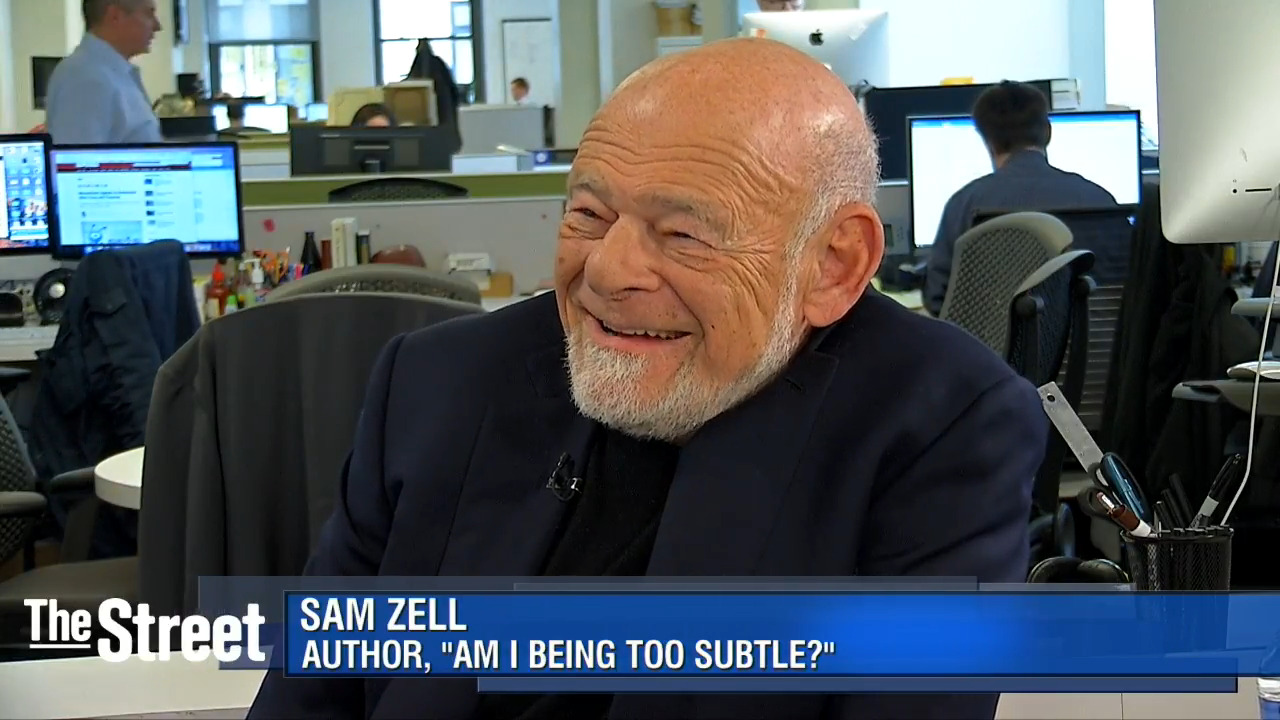
Zell’s own account, given at Wharton ten months later, was that this was a“Godfather offer” — a price no publicly held company could responsibly refuse.11 He also said, in the same lecture, that private equity firms awash with capital were benefiting from “preposterous” leverage, and that “today, you would never be able to replicate the Blackstone deal”.11
The bidding war, and the fee that ended it
On 17 January 2007 a consortium of Vornado Realty Trust, Starwood Capital and Walton Street Capital, operating as Dove Parent LLC, wrote to Zell offering $52.00 a share — sixty per cent cash and forty per cent Vornado stock, a premium they put at about $1.6 billion over the Blackstone agreement. Their letter named the money behind it: $13.4 billion of equity and $25.8 billion of debt, committed by Lehman Brothers, JPMorgan, Barclays, UBS and RBS Greenwich.3
Blackstone answered on 25 January at $54.00 a share, all cash, and the termination fee went from $200 million to $500 million.4 Vornado raised again, to $56 a share. On 1 February the Equity Office board unanimously reaffirmed the lower Blackstone bid.5
That decision is the whole deal in one move, and the board explained it in arithmetic rather than loyalty. A cash-and-stock offer is not worth its headline on the day it is made, because the shares arrive later and the deal takes months to close. Running Vornado’s $56 through that discount, the board’s own analysis put its present value at between $54.81 and $55.07 a share.6 Blackstone then went to $55.50 in cash — above the top of that range — and the termination fee went to $720 million.6
Vornado withdrew the next day, saying the premium it would have to pay was not in its own shareholders’ interest.8 More than 92 per cent of votes cast, about 71.3 per cent of all shares, approved the sale on 7 February.8 Asked later what had actually decided it, Zell did not talk about price at all:“The key to the deal was structuring a $720 million break-up fee.”11
- Blackstone, signed 19 Nov 20061$48.50
- Dove Parent LLC, 17 Jan 20073$52.00Vornado, Starwood and Walton Street — 60% cash, 40% Vornado stock
- Blackstone, 25 Jan 20074$54.00All cash. Termination fee $200M → $500M
- Dove Parent LLC, 31 Jan 20076,8$56.00The highest number anyone put on the table, and it lost
- Blackstone, agreed 6 Feb 20076$55.50All cash. Termination fee $500M → $720M
The winning bid is not the highest one. Equity Office’s board valued the $56 letter at a present value of $54.81 to $55.07 a share, because the stock half arrived later and the deal would have taken months rather than days to close.6 Blackstone cleared the top of that range in cash, and the fee made clearing it again expensive.
The ladder is the argument in five lines. The company sold for less per share than the number sitting beside it on the table, and every party involved could explain why in a sentence about time.
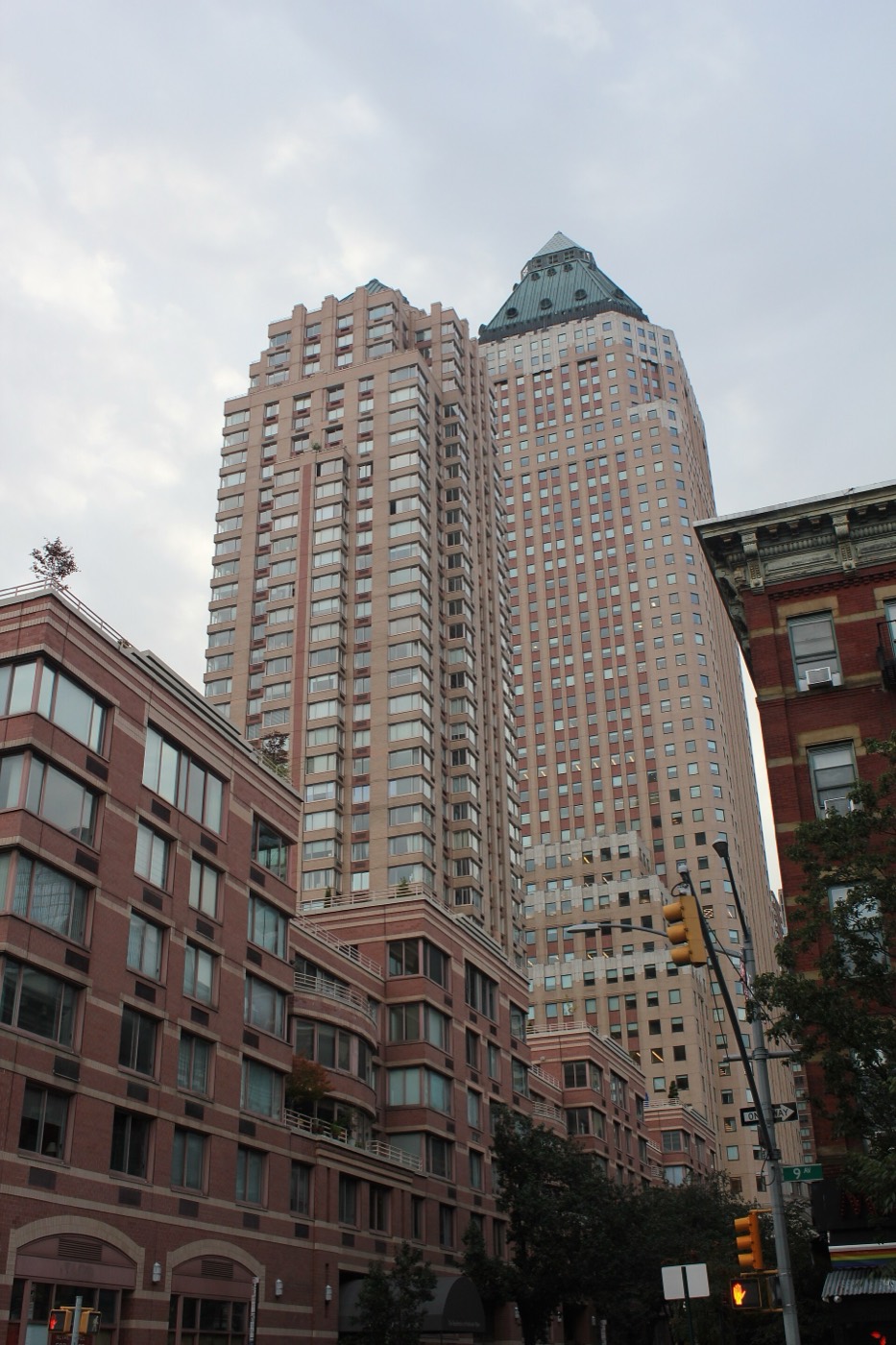
What 103 million square feet looks like from the pavement
The selling started before the owning did.
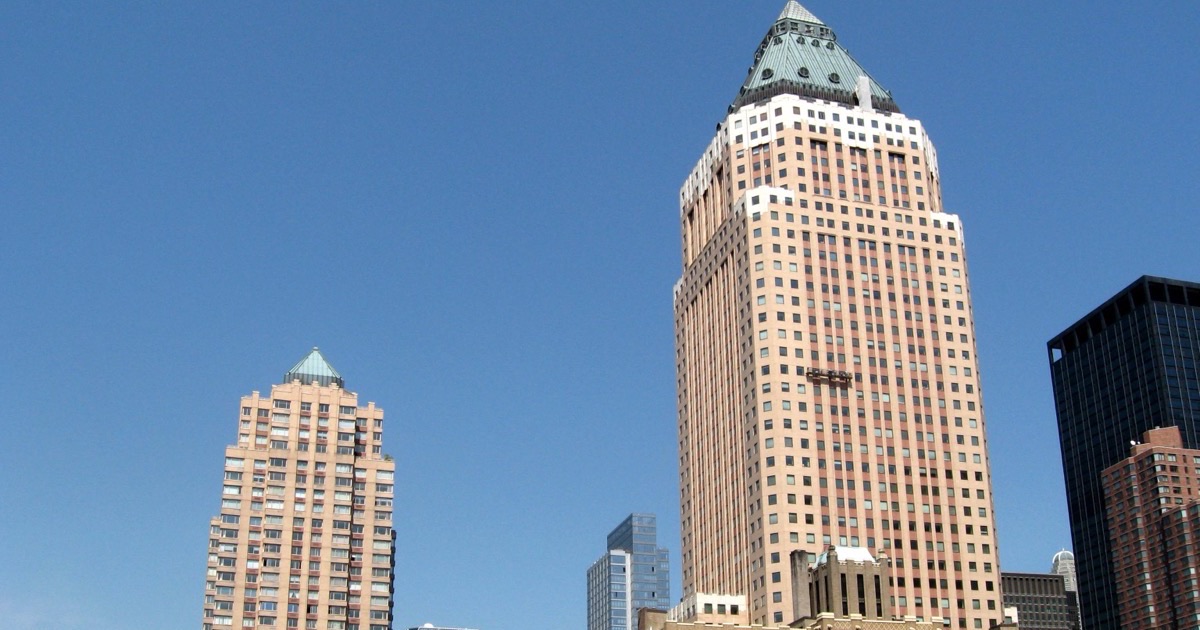
The Worldwide Plaza complex, Manhattan, photographed in September 2021 from Ninth Avenue — the residential buildings in front, the office tower behind.Photo: Epicgenius, CC BY-SA 4.0, via Wikimedia Commons
A fee that size is not compensation for wasted effort. It is a toll charged to anyone who wants to keep bidding, and at three per cent of the equity it was large enough that beating $55.50 meant beating $55.50 plus $720 million. Blackstone bought certainty of closing, and certainty of closing was the thing the whole strategy depended on — because the buyers on the other side had already been called.
What it took, and what came back
The $39 billion headline is enterprise value: what the equity cost plus the debt that came with it. The financing actually raised to do the deal is a smaller and more exact number, and it appeared in an SEC filing the day before the vote. Blackstone contributed $3.75 billion of equity against $31.9 billion of debt financing.8 Its own cheque was under ten per cent of the price.
The ledger, opened
Two structures of nearly the same size, five months apart. What it took to buy the company, against what came back out of it — segmented completely differently, which is the entire trade.
The financing raised to buy it, Feb 2007
$35.65 billion
Recovered by 26 July 2007 · $27.3 billion
The rate of return on any of itNever published
Recovered by 26 July 2007 · $27.3 billion
Sourced, and not part of that total
- The termination fee that ended the auction6$720 million
Never published
- The rate of return on any of itNever published
Two bars, five months apart, and the second is nearly as long as the first. The left-hand structure is exact and sourced to a filing. The right-hand one has two sourced sales and a residual, because the seventy per cent was reported as a percentage and nobody printed the parts.
| Line | Amount | How it is counted |
|---|---|---|
| The financing raised to buy it, Feb 2007 — Debt financing | $31.9 billion | sourced, and part of the total |
| The financing raised to buy it, Feb 2007 — Blackstone’s own equity | $3.75 billion | sourced, and part of the total |
| Recovered by 26 July 2007 — Manhattan towers to Macklowe Properties, Feb 2007 | ~$7 billion | sourced, and part of the total |
| Recovered by 26 July 2007 — Seattle and Washington to Beacon Capital, Feb 2007 | ~$6.5 billion | sourced, and part of the total |
| Recovered by 26 July 2007 — Everything else sold by July, as whatever is left of the 70% | ~$13.8 billion | inferred from the sourced total, drawn hatched |
| The financing raised to buy it, Feb 2007 — The termination fee that ended the auction | $720 million | sourced, but a different kind of number — not added to the total |
| The financing raised to buy it, Feb 2007 — The rate of return on any of it | Never published | never published |
| The financing raised to buy it, Feb 2007 | $35.65 billion | the sourced total |
| Recovered by 26 July 2007 | $27.3 billion | the sourced total of the second structure |
The ledger, opened
Start with what had to be found. Not $39 billion — that is the price with the company’s existing debt folded in.
The money actually raised was $31.9 billion of debt against $3.75 billion of Blackstone’s own equity, and both figures come from a filing made the day before the shareholders voted.8 An analyst quoted the same week expected Blackstone to make at least a fifty per cent return on an equity investment he sized at three and a half to four billion dollars, inside two to three years — an estimate, made before a single building had been sold.8
Recovered by 26 July 2007 · $27.3 billion
Sourced, and not part of that total
- The termination fee that ended the auction6$720 million
Never published
- The rate of return on any of itNever published
Two bars, five months apart, and the second is nearly as long as the first. The left-hand structure is exact and sourced to a filing. The right-hand one has two sourced sales and a residual, because the seventy per cent was reported as a percentage and nobody printed the parts.
The buyer who took Manhattan, and lost it
The Macklowe trade is the part of this story that gets left out, and it is the part that shows what Blackstone actually sold: not just buildings, but its own timing risk.
Harry Macklowe bought seven Manhattan skyscrapers for $6.8 billion — the figure Fortune gives; Reuters reported about $7 billion at the time — and put up $50 million of his own cash against $7 billion of loans from Deutsche Bank and Fortress Investments, due in February 2008.8,12 When the subprime crisis unfolded there was nothing to refinance into. He had personally guaranteed a $1.2 billion bridge loan controlled by Fortress and secured in part by the General Motors Building, which he had bought in 2003 for a then-record $1.4 billion and which was never part of the Equity Office portfolio at all.12 Deutsche Bank had already sold pieces of the debt on to other lenders, which made any workout a negotiation with a crowd.
By February 2008 he was handing the keys to the seven towers back. In June the General Motors Building went to Boston Properties and its partners for about $2.8 billion.18 The building he had bought before the deal paid for the deal he could not finance.
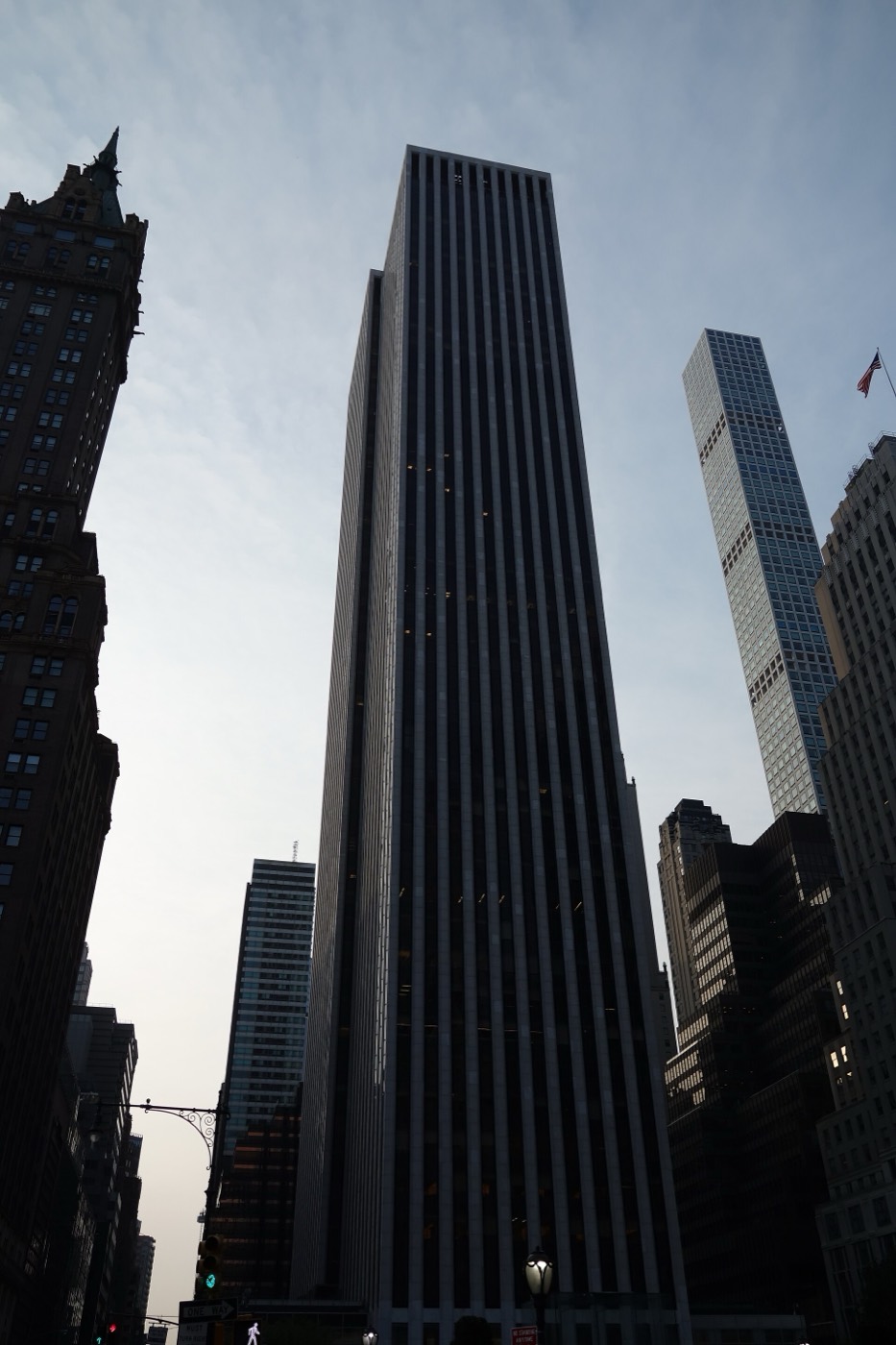
The broker who had sold him the buildings on Blackstone’s behalf, Eastdil Secured chairman Ben Lambert, described the mechanism without any euphemism at all:“There was a game of musical chairs. The music stopped, and there was no chair for Harry.”12
Beacon Capital did not collapse, but it did not escape either. The $2.7 billion loan behind its share of the portfolio went to a special servicer, and in December 2010 Beacon negotiated a five-year extension to May 2017 — agreeing, as part of it, to sell some of its strongest Washington assets to pay the debt down.14 Its president told the Post that lenders had stayed with the firm because it had kept the capacity to manage and lease through the downturn.14 Eleven of the twenty properties it had bought were in and around the District.
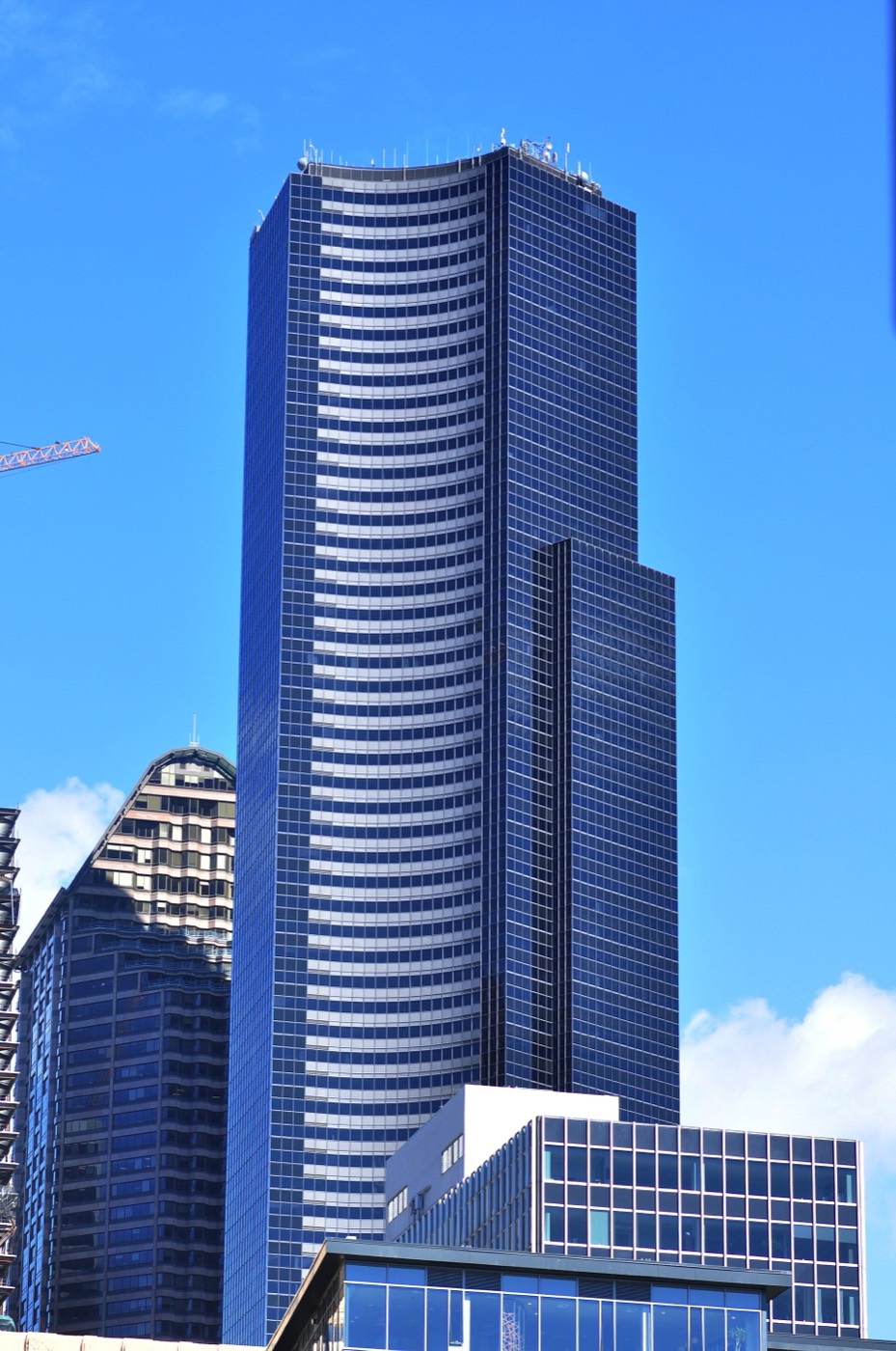
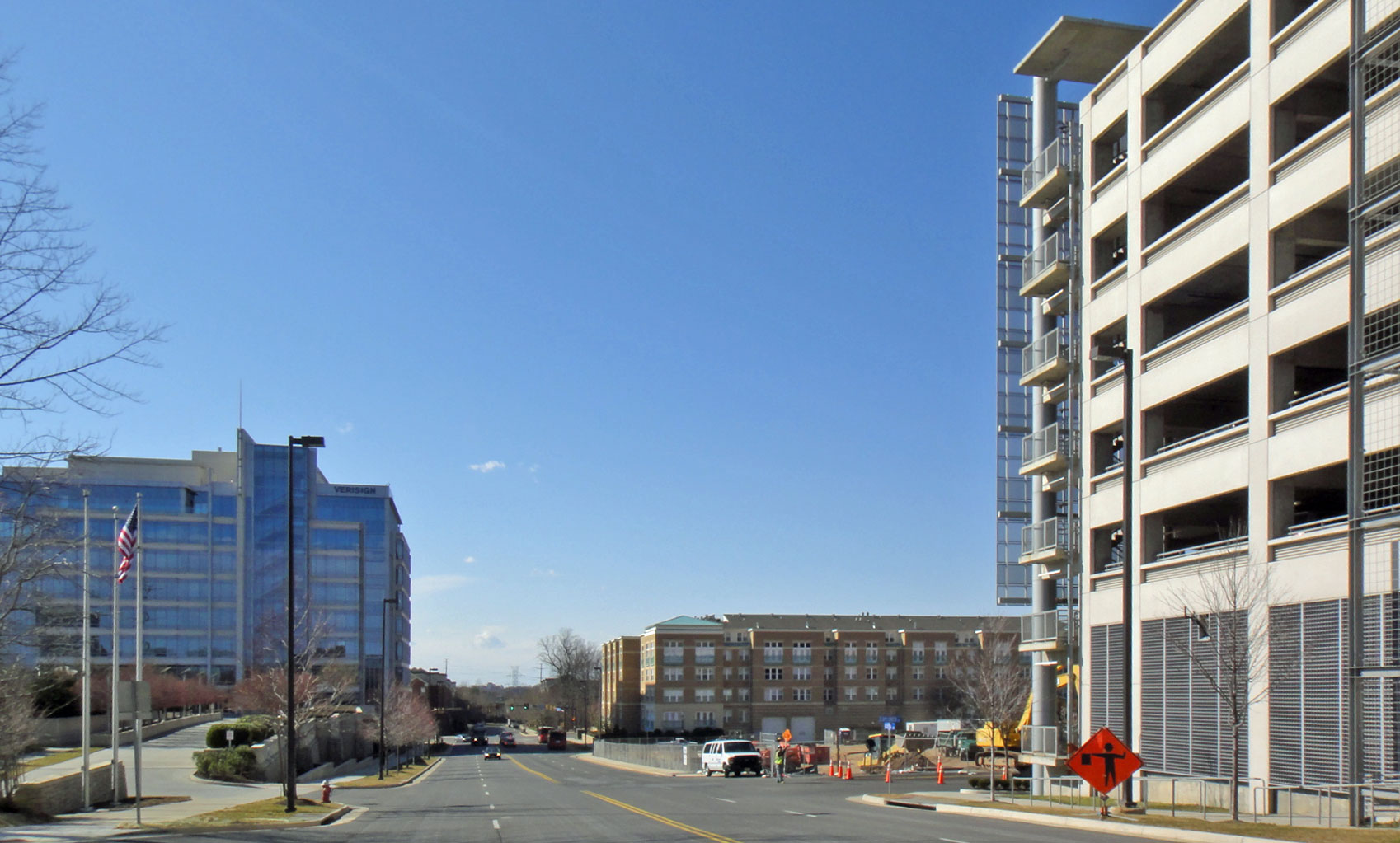
None of that is incidental to judging the trade. The seventy per cent Blackstone recovered by July 2007 was recovered from buyers, and several of those buyers were holding the same assets a year later at prices the market no longer supported. The skill was real. So was the fact that somebody had to be on the other side of it.
What the record will not settle
Three things about this deal are repeated confidently and are not in the record.
The first is the size of the portfolio. Equity Office said 580 buildings and 108.6 million square feet when the deal was signed, using figures from 30 September 2006, and 543 buildings and 103.1 million square feet when shareholders approved it, using figures from 31 December.1,7 Both are the company’s own counts. The second is closer to the truth of what actually changed hands, and it is the one used here.
The second is how much had been arranged by closing day. Two deals are dated to that week and they come to about $13.5 billion, not the twenty billion often quoted.8,9 The larger number belongs to July, and it is a percentage rather than a sum.
The third is the rate of return, and it does not exist. There is a profit figure and a multiple, reported once, twelve years after the fact, on Blackstone’s own accounting.16 There is no audited number, no investor letter in the public record, and no IRR anywhere.
There is also a legal record, and it is short. Eight shareholder suits were filed in Maryland, Illinois and federal court, alleging the trustees had breached their duty by not running a full auction.2 The federal case was dismissed and the dismissal affirmed by the Seventh Circuit in March 2009, Judge Richard Posner writing that requiring delay for every new competing offer would “sink the process of corporate acquisition into a sea of molasses”.13 The process survived review. That is not the same as the process having been open.
The sequence
Aug 2006
Jonathan Gray approaches Equity Office for Blackstone at $40–42 a share. Sam Zell had already told his own board he would not support a sale below $45 at a minimum. Merrill Lynch signals that a compelling price would have to exceed $45 and would probably be closer to $50.2
19 Nov 2006
A merger agreement is signed at $48.50 a share, about $36 billion including debt. Equity Office reports 580 buildings and 108.6 million square feet.1
$48.50/share
17 Jan 2007
Vornado, Starwood Capital and Walton Street Capital bid $52.00 a share through a vehicle called Dove Parent LLC — 60% cash and 40% Vornado stock, backed by $13.4 billion of equity and $25.8 billion of debt from Lehman, JPMorgan, Barclays, UBS and RBS Greenwich.3
$52.00/share
25 Jan 2007
Blackstone counters at $54.00 a share, all cash. The termination fee is raised from $200 million to $500 million.4
$54.00/share
1 Feb 2007
After Vornado raises to $56 a share in cash and stock, the Equity Office board unanimously reaffirms the $54 all-cash agreement.5
6 Feb 2007
Blackstone raises to $55.50 a share, about $39 billion including debt. The termination fee goes to $720 million. The board’s own analysis values Vornado’s $56 letter at a present value of $54.81 to $55.07.6
$55.50/share · $720M fee
7 Feb 2007
Shareholders approve — more than 92% of votes cast, about 71.3% of all shares. Vornado withdraws the same day, saying the premium would not be in its own shareholders’ interest. Equity Office now reports 543 buildings and 103.1 million square feet.7,8
$23B of equity
9 Feb 2007
The deal closes. Blackstone contributes $3.75 billion of equity against $31.9 billion of debt financing, and sells about 6.5 million square feet of Manhattan towers to Macklowe Properties for about $7 billion.8,9
~$7B back, immediately
Feb 2007
Within the same week, the Seattle and Washington portfolios go to Beacon Capital Partners for about $6.5 billion at the time of reporting, later given as $6.35 billion.9,14
~$6.4B back
26 Jul 2007
Five months after closing, the Wall Street Journal reports that sales have covered 70% of the deal’s $39 billion cost, with at least 62 million of about 102 million square feet already shed.10
70% of cost recovered
Feb 2008
Harry Macklowe cannot refinance the short-term debt behind the Manhattan towers. He had put up $50 million of his own cash against $7 billion of Deutsche Bank and Fortress borrowings, and begins handing the buildings back.12
10 Jun 2008
Boston Properties and its partners complete the purchase of the General Motors Building from Macklowe Properties for about $2.8 billion. He had pledged it against the bridge loan behind the Equity Office towers.18
~$2.8B
20 Mar 2009
The Seventh Circuit affirms dismissal of the shareholder suit over the merger’s proxy disclosures. Judge Richard Posner writes that requiring delay for every competing offer would sink corporate acquisition into a sea of molasses.13
Dec 2010
Beacon Capital renegotiates the $2.7 billion loan behind its share of the portfolio, winning a five-year extension to May 2017 and agreeing to sell some of its strongest Washington assets to pay the debt down.14
Jun 2018
What Blackstone kept is renamed EQ Office, forty-two years after the business began.15
Oct 2019
The last building from the portfolio — 100 Summer Street in Boston — is sold. Lifetime proceeds are reported at about $46 billion against the $39 billion cost, a profit of about $7 billion and roughly three times the equity.16
~$46B of lifetime proceeds
May 2025
EQ Office is merged with ShopCore Properties and Retail Opportunity Investments Corp. into a new platform, Perform Properties — 175 properties across 36 markets.17
What transfers
The lesson is not that Blackstone timed the market. Nobody at the firm has ever claimed that, and the record does not support it: they paid a full price at the top and said so by paying it. What they did was refuse to hold what they had bought.
A portfolio trades at a discount to the sum of its parts, because the number of buyers who can absorb five hundred buildings is very small and the number who want one tower in Seattle is not. That discount is not a market inefficiency to be discovered; it is a structural fact about who can write which cheque. The trade is available to anyone willing to do the work of selling the parts — and the work is the point, because it means lining up the buyers before you own the asset, not after.
Two things made it survivable rather than merely clever. The exit was arranged in parallel with the purchase, so the sell-down began the week the deal closed rather than the quarter after. And the fee bought certainty of closing, which is what let the pre-arranged buyers treat their side as real. A deal that might close in four months with stock cannot support a pre-sold exit; a deal that closes on Friday for cash can.
And judge the outcome by the whole hold. Seventy per cent of the price came back in five months, and the last building took another twelve years to sell. Both of those are true, and only one of them is the story usually told.
Common questions
- How much did Blackstone pay for Equity Office Properties?
- $55.50 a share in cash, which valued the equity at about $23 billion and the whole company at about $39 billion including debt. The deal closed on 9 February 2007 and was the largest leveraged buyout in real estate history. Blackstone’s own contribution was $3.75 billion of equity against $31.9 billion of debt financing, according to a filing made the day before the shareholder vote.
- Why did Blackstone sell Equity Office buildings so quickly?
- Because that was the plan before it owned them. A portfolio of 543 buildings can only be bought at a portfolio price, while individual trophy towers sell at full price to institutions that want exactly those. Blackstone bought the whole thing and sold the best pieces separately, and it had told its investors it would sell major assets specifically to reduce the deal’s risk. By 26 July 2007, five months after closing, sales had covered 70 per cent of the $39 billion cost.
- Why did Vornado lose the bidding war when it offered more?
- Because $56 in cash and stock was worth less than $55.50 in cash. Equity Office’s board ran Vornado’s offer through its own analysis and put the present value at $54.81 to $55.07 a share, since the stock portion arrived later and the deal would have taken months to close rather than days. Blackstone then raised to $55.50 all cash and the termination fee went to $720 million. Vornado withdrew on 7 February 2007, saying the premium was not in its own shareholders’ interest.
- What happened to Harry Macklowe and the Manhattan towers?
- He lost them. Macklowe bought about 6.5 million square feet of Manhattan office space from Blackstone at the February 2007 closing — reported as about $7 billion at the time and as $6.8 billion for seven skyscrapers a year later — using $50 million of his own cash against $7 billion of loans from Deutsche Bank and Fortress that came due in February 2008. He could not refinance once the subprime crisis unfolded and began handing the buildings back. In June 2008 the General Motors Building, which he had bought separately in 2003 and pledged against a $1.2 billion bridge loan, was sold to Boston Properties and its partners for about $2.8 billion.
- How much profit did Blackstone make on Equity Office?
- About $7 billion, on roughly $46 billion of lifetime sale proceeds against the $39 billion cost — roughly three times the equity invested. That figure is Blackstone’s own deal accounting as reported by the Wall Street Journal in October 2019, when the last building from the portfolio was sold. It has never been independently audited, and no internal rate of return for the deal has ever been published by anyone.
Sources
- Equity Office Properties Trust via SEC (company release) — Equity Office Agrees to be Acquired by The Blackstone Group — $48.50 per share, 580 buildings, 108.6 million square feet (2006-11-19)
- Equity Office Properties Trust via SEC (merger proxy, PREM14A) — Background of the Mergers — the rebuffed approaches, the price Merrill Lynch called compelling, and the termination fee (2006-12)
- Vornado Realty Trust via SEC (Form 8-K, Exhibit 99.1) — Dove Parent LLC proposal to Equity Office — $52.00 per share, 60% cash and 40% Vornado stock, with named lenders (2007-01-17)
- Equity Office Properties Trust via SEC (company release) — Equity Office Announces Amendment to Merger Agreement with Blackstone — $54.00 per share, termination fee raised to $500 million (2007-01-25)
- Equity Office Properties Trust via SEC (Form 8-K) — Board of Trustees reaffirms its recommendation of the Blackstone merger agreement (2007-02-01)
- Equity Office Properties Trust via SEC (company release) — Blackstone Increases Merger Consideration To $55.50 Per Share — termination fee increased to $720 million, and the board’s own valuation of the Vornado letter (2007-02-06)
- Equity Office Properties Trust via SEC (company release) — Shareholders Approve Merger — 543 office buildings and 103.1 million square feet as of 31 December 2006 (2007-02-07)
- Reuters via The Washington Post — Blackstone wins EOP battle for $23 billion — the equity and debt financing, the Macklowe sale and the analyst reaction (2007-02-07)
- CNBC, citing The Wall Street Journal — Blackstone Could Sell $6.5 Billion in Real Estate Assets — the Seattle and Washington portfolio to Beacon Capital (2007-02-09)
- CNBC, citing The Wall Street Journal and Real Capital Analytics — Blackstone Has Sold Most Equity Office Property — 70% of the deal’s $39 billion cost covered, 62 million of 102 million square feet shed (2007-07-26)
- Forbes — Sam Zell at Wharton — the $720 million break-up fee, the “Godfather offer”, and the confidence crunch (2007-09-21)
- Fortune via CNN Money (Internet Archive) — Reckoning for a real estate mogul — Harry Macklowe’s $50 million of equity, the Deutsche Bank bridge and the February 2008 maturity (2008-02-15)
- FindLaw (court opinion) — Beck v. Dobrowski, 559 F.3d 680 (7th Cir. 2009) — dismissal of the shareholder proxy suit affirmed (2009-03-20)
- The Washington Post — Beacon Capital Partners renegotiates loan — the $6.35 billion purchase, the $2.7 billion loan and the five-year extension (2011-01-17)
- PR Newswire (company release) — Introducing EQ Office; Equity Office Properties Launches New Identity After 42 Years (2018-06-20)
- Bisnow, citing The Wall Street Journal — The $39B EOP Deal Should Have Killed Blackstone. Instead It Reaped A $7B Profit — $46 billion of lifetime proceeds and the last building sold (2019-10-14)
- Bisnow — Blackstone Merges Office And Retail Portfolios To Create Perform Properties (2025-05-16)
- Boston Properties, Inc. (company release) — Boston Properties Forms Joint Venture and Completes Acquisition of the General Motors Building — approximately $2.8 billion, from affiliates of Macklowe Properties (2008-06-10)